The Winter Cook's Guide to Building a Better Soup
By Diego Alvarez · Jan 20, 2026
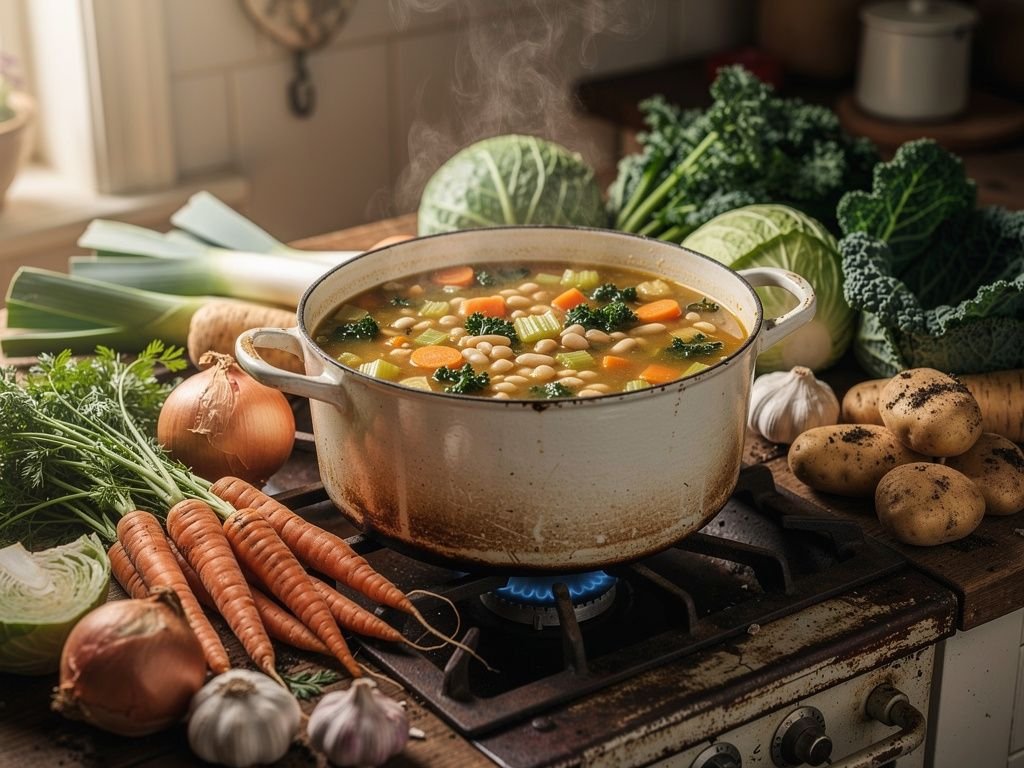
Winter is the season when soups and stews stop being a side option and become the main event, and for good reason: they are forgiving, they stretch inexpensive ingredients, and a big pot on the stove does double duty warming both the food and the kitchen. But there is a real difference between a soup that tastes thin and one-note and a soup that tastes like it has been simmering with care, and the difference usually comes down to building flavor in layers rather than dumping everything into a pot at once.
Start With Aromatics, Properly Cooked
Nearly every great soup begins with a base of aromatic vegetables, most commonly onion, carrot, and celery, sometimes called a mirepoix, along with garlic. The mistake many home cooks make is rushing this step, tossing the aromatics into a pot along with everything else and letting them simmer along with the liquid. Properly softened and lightly caramelized aromatics, cooked in oil or butter over medium heat for eight to ten minutes before anything else goes into the pot, build a foundational sweetness and depth that boiling alone can never produce, because that gentle browning triggers the same flavor-building chemistry that makes a seared steak taste better than a boiled one.
Build the Liquid in Layers Too
Stock quality matters enormously, but so does how you use it. Deglazing the pot with a splash of wine, or even just water, after browning meat or vegetables and scraping up the browned bits stuck to the bottom, called fond, recovers a huge amount of flavor that would otherwise be thrown away when the pot is washed. Adding stock in stages rather than all at once, particularly if you are also reducing the liquid at any point, lets you control both the final consistency and the concentration of flavor more precisely than a single dump of liquid at the start.
Timing Ingredients by Cook Time
A common flaw in home-cooked soup is throwing in every vegetable at the same time, which means delicate ingredients turn to mush while dense ones stay underdone. Root vegetables and dried beans need long, slow cooking and should go in early. Quicker-cooking vegetables like zucchini, spinach, or peas should be added in the final ten to fifteen minutes, and delicate fresh herbs like basil or parsley are best stirred in at the very end, off the heat, so their flavor stays bright rather than cooking away into something muddy and dull.
Season as You Go, and Again at the End
Salt added only at the beginning or only at the end rarely tastes as good as salt added in stages throughout cooking, because early salt has time to season ingredients from within as they cook, while a final adjustment corrects for how much the liquid has reduced and concentrated. This is also the moment to consider acid: a splash of vinegar or a squeeze of lemon juice stirred in right before serving can brighten a soup that tastes flat or heavy, cutting through richness in a way that more salt alone cannot fix. Many stews, especially those built on tomatoes or dark, rich stocks, benefit enormously from this kind of acidic lift at the very end, even though the recipe rarely calls for it explicitly.
Texture Is a Choice, Not an Accident
Finally, consider what texture you actually want before you start blending or mashing. A fully pureed soup, like a classic butternut squash soup, benefits from an immersion blender run until completely smooth, sometimes finished with a small amount of cream for richness and mouthfeel. A chunky stew benefits from the opposite approach: mashing just a portion of the beans or potatoes against the side of the pot with a spoon thickens the broth naturally while leaving plenty of texture intact. Deciding on this before you start, rather than as an afterthought, changes how you cut your vegetables from the very first step, which is a good reminder that a great soup is really planned from the beginning rather than assembled at the end.
Keep Reading
More from the Blog
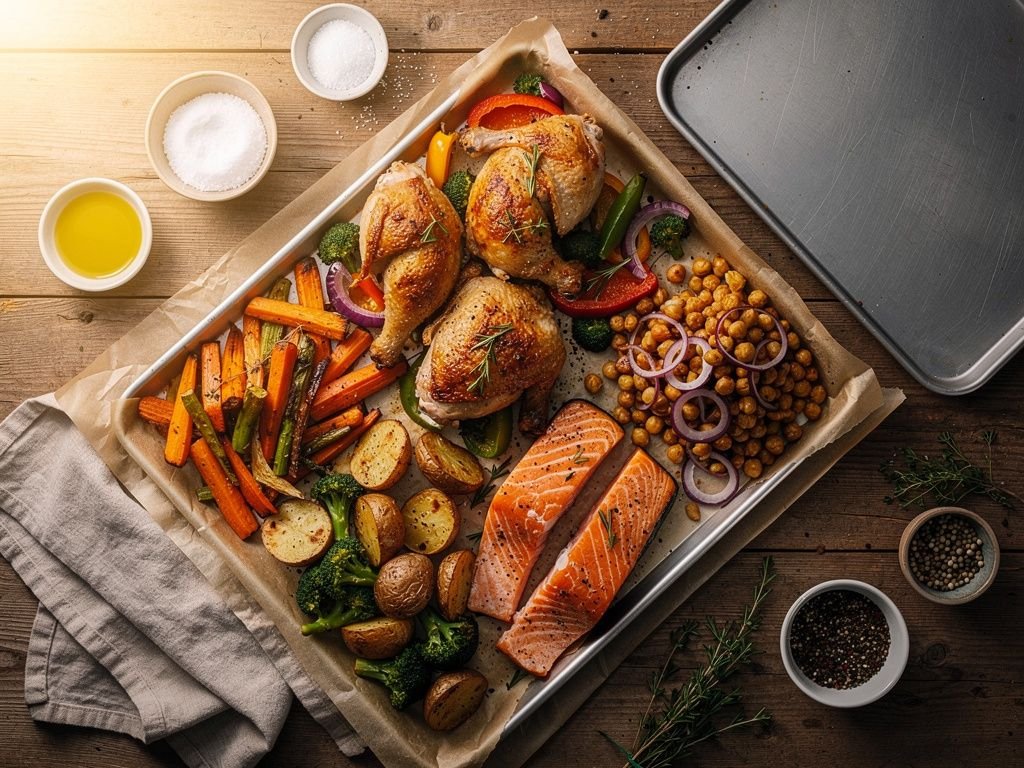
The Sheet Pan Method: One Pan, Five Dinners, Minimal Cleanup
Sheet pan cooking is not just a trend recipe format. It is a genuinely efficient system for weeknight meal prep once you understand the logic behind it.
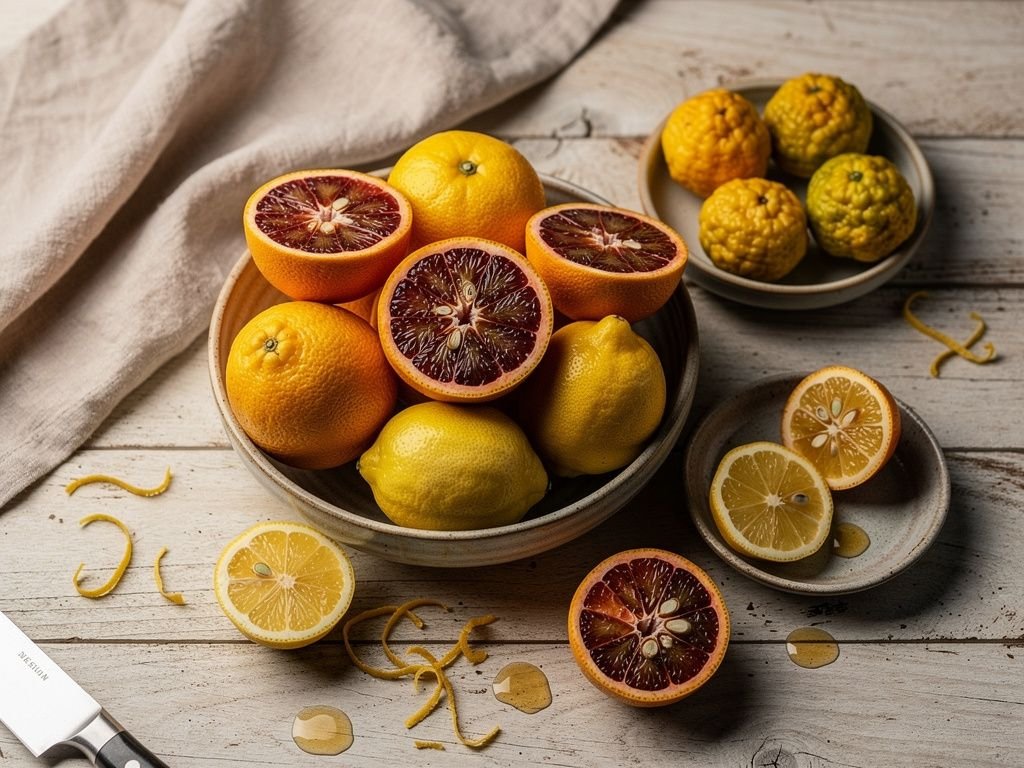
Beyond the Lemon: A Tour of Citrus Worth Cooking With
Lemons and limes get all the attention, but blood oranges, Meyer lemons, and yuzu each bring something unique to a dish.
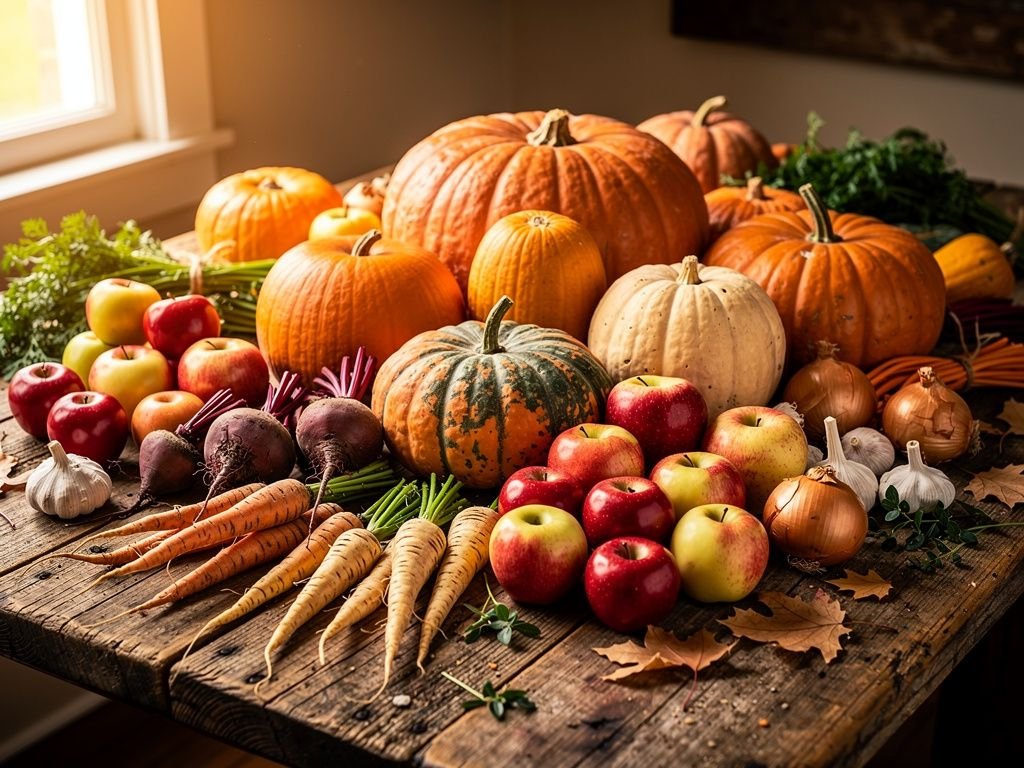
Your Guide to Autumn's Best Produce, and What to Do With It
Squash, apples, and root vegetables take over the market in autumn. Here is how to pick the best of the season and put it to work.