Beyond the Lemon: A Tour of Citrus Worth Cooking With
By Sofia Renn · Dec 15, 2025
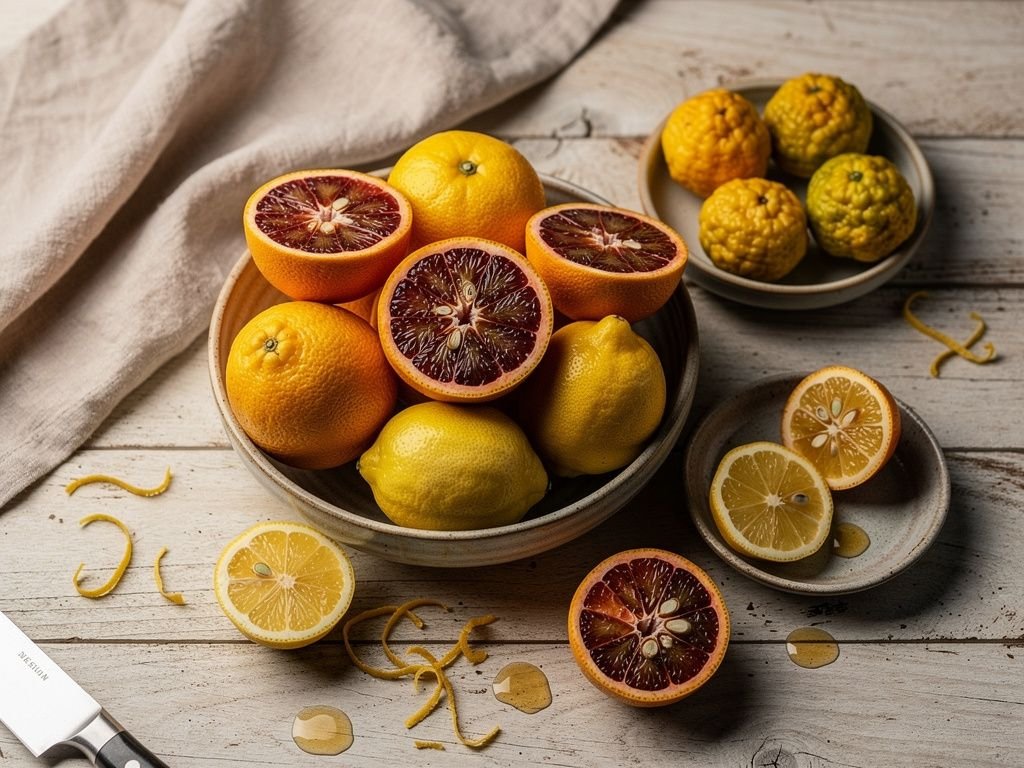
Winter is citrus season in much of the world, and while lemons and limes are kitchen staples year-round, the colder months bring a wave of more distinctive citrus varieties that deserve more attention than they usually get. Each brings its own balance of sweetness, acidity, and aromatic oil that can shift a dish in a specific direction if you know what to reach for.
Meyer Lemon: Softer and Sweeter
A Meyer lemon is believed to be a natural cross between a true lemon and a mandarin orange, and that heritage shows in its flavor. It is noticeably sweeter and less acidic than a standard Lisbon or Eurika lemon, with a fragrant, almost floral quality to its zest. Because it is milder, a Meyer lemon can be used more generously in a recipe without overwhelming it with sharpness, which makes it especially good in desserts like curd or a simple olive oil cake, where you want lemon flavor without a harsh, puckering edge. Its thinner, more fragile skin also means it does not keep as long as a regular lemon, so use it within a week or so of buying it.
Blood Orange: Color and a Berry-Like Edge
Blood oranges get their deep red flesh from anthocyanins, the same pigment family responsible for the color of blueberries and red cabbage, which develop when the fruit experiences cool nights during growth. Beyond the striking color, blood oranges have a flavor that is less purely sweet than a navel orange, with a faint raspberry or berry-like note underneath the citrus. This makes them excellent in a simple winter salad with fennel and olives, where their color and slight tartness provide contrast, or juiced into a cocktail or vinaigrette where their unique flavor can actually be tasted rather than lost.
Yuzu: A Little Goes a Long Way
Yuzu is a Japanese citrus fruit that is rarely eaten out of hand; its value is almost entirely in its intensely aromatic juice and zest, which taste like a cross between a grapefruit, a mandarin, and a lime, with a distinctive floral perfume. Fresh yuzu can be hard to find outside of specialty markets, but bottled yuzu juice is a reasonable substitute for cooking. It shows up in ponzu sauce, in dressings, and even in desserts, and because its flavor is so concentrated, recipes typically call for it in small amounts, a teaspoon or two rather than the quarter cup of lemon juice a Western recipe might call for.
Kumquat: The Fruit You Eat Whole
Kumquats invert the usual citrus experience: the skin is sweet and the flesh inside is tart, which is the opposite of most citrus fruit, so they are eaten whole, skin and all, rather than peeled. Sliced thin, they make an unusual and attractive addition to a salad, or they can be simmered with sugar into a quick marmalade that captures both their sweetness and their tang in one preserve.
Using Citrus Well
A general principle across all of these varieties is that zest and juice offer different things and are rarely fully interchangeable. The zest, the colored outer layer of the peel, contains aromatic oils that carry a lot of a citrus fruit's characteristic scent, while the juice carries the acidity and sweetness. A dish that uses only juice, like a vinaigrette made from bottled lemon juice, will taste flatter and less complex than one that also incorporates a bit of fresh zest, because so much of what we perceive as citrus flavor actually comes through the nose as aroma rather than the tongue as pure sourness. Keep a microplane grater handy, and get in the habit of zesting citrus before you juice it, since it is far harder to zest a fruit after it has been squeezed flat.
Keep Reading
More from the Blog
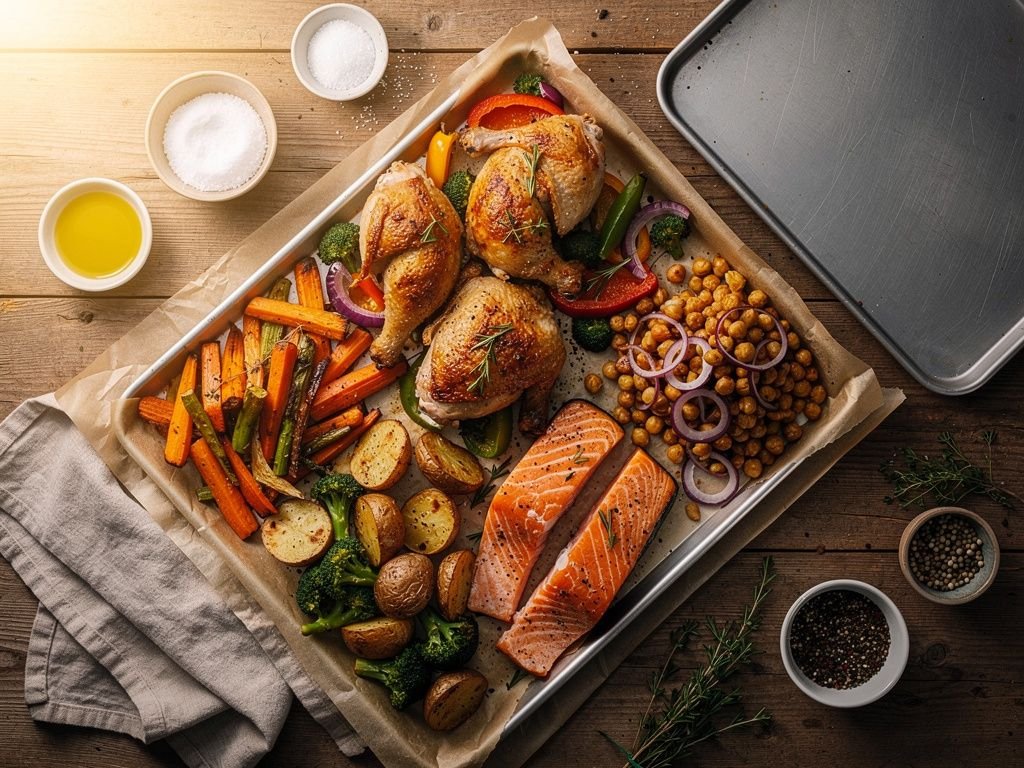
The Sheet Pan Method: One Pan, Five Dinners, Minimal Cleanup
Sheet pan cooking is not just a trend recipe format. It is a genuinely efficient system for weeknight meal prep once you understand the logic behind it.
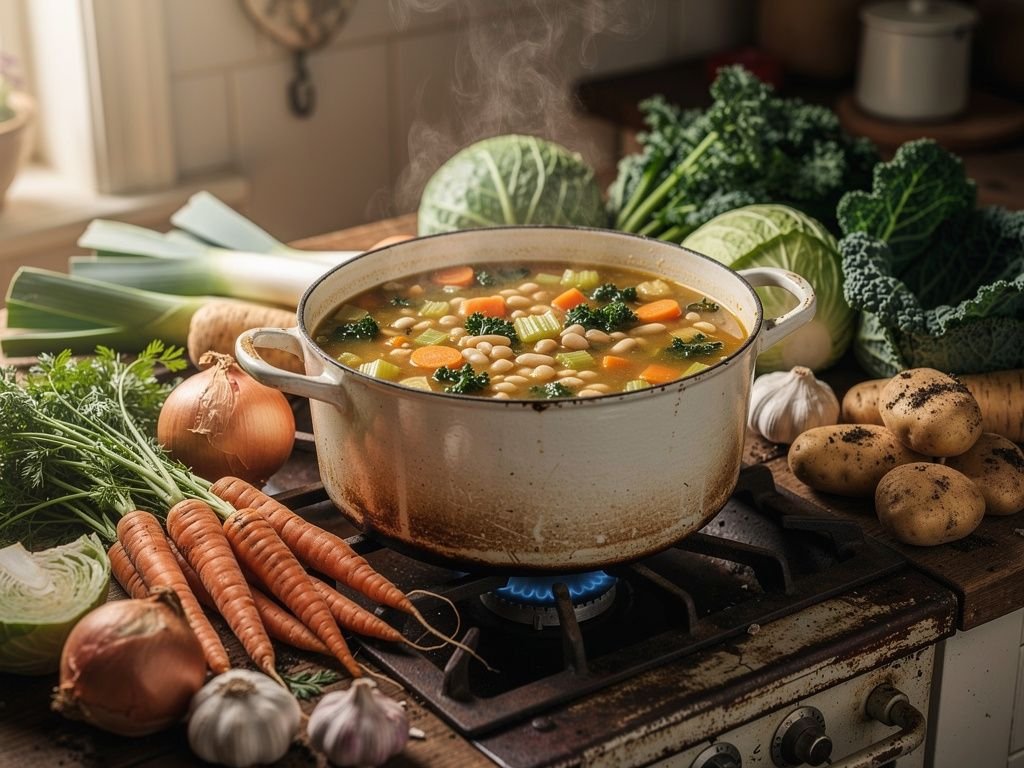
The Winter Cook's Guide to Building a Better Soup
A great soup is built in layers, not thrown together at once. Here is how to think through the process for reliably good results.
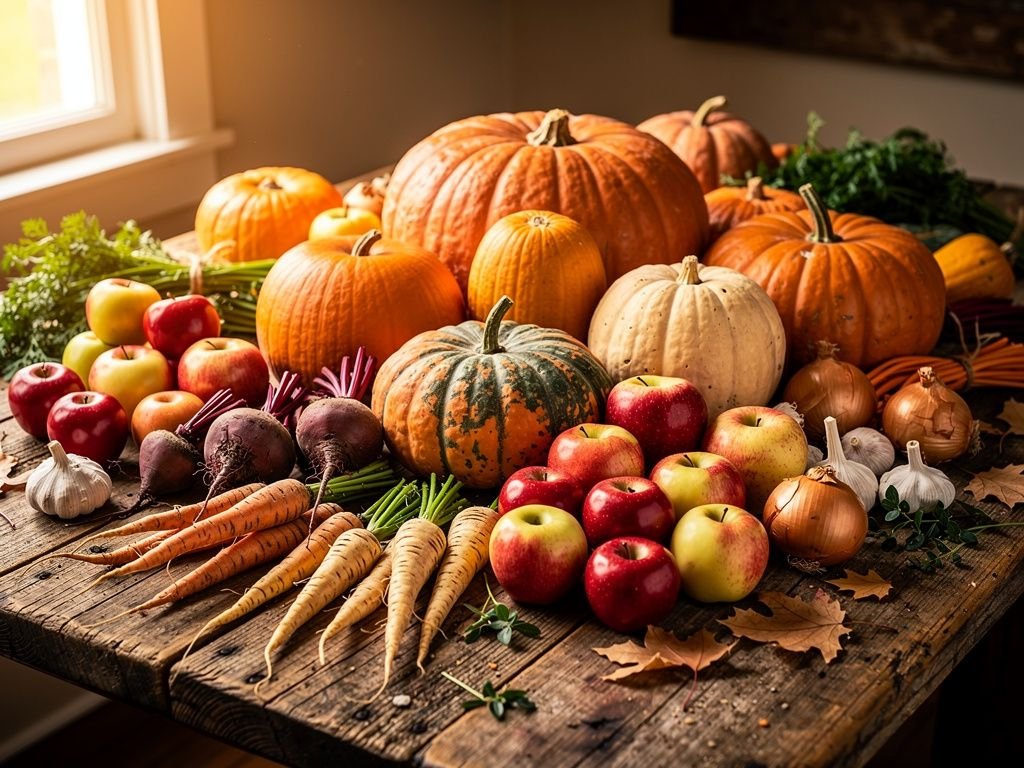
Your Guide to Autumn's Best Produce, and What to Do With It
Squash, apples, and root vegetables take over the market in autumn. Here is how to pick the best of the season and put it to work.