Your Guide to Autumn's Best Produce, and What to Do With It
By Diego Alvarez · Oct 2, 2025
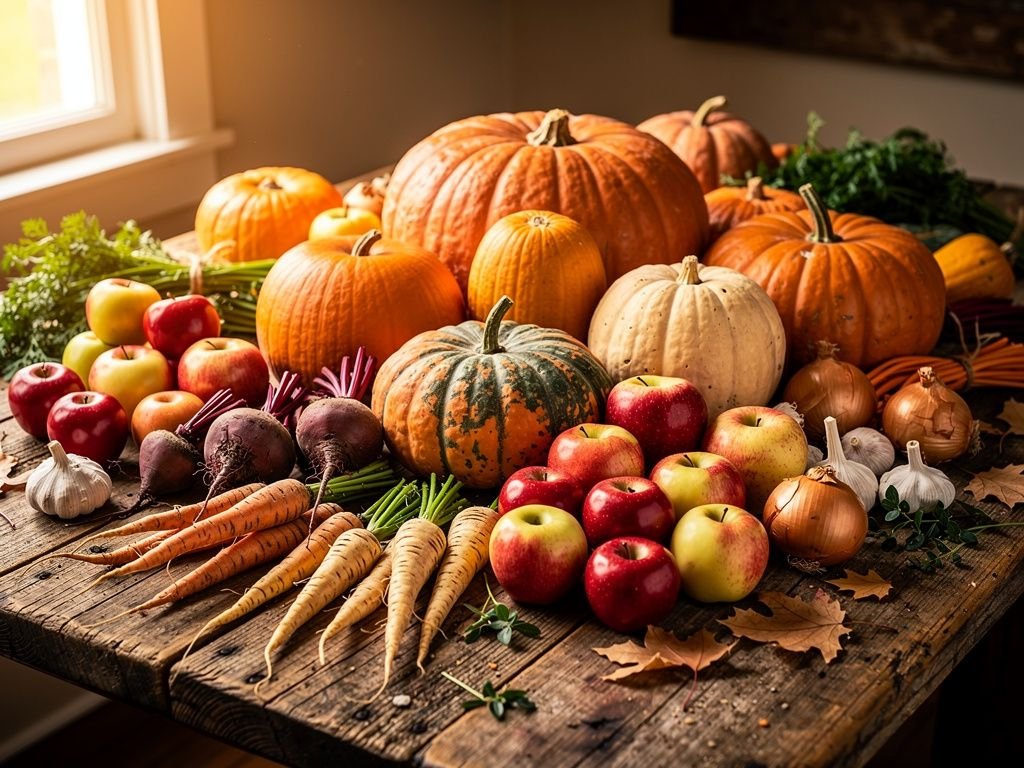
There is a particular satisfaction to cooking with what is actually in season. Produce picked at its peak and sold close to that time tastes better and costs less than something shipped halfway across the world out of its natural window. Autumn is one of the most generous seasons for this, bringing a wave of hearty vegetables and fruits that practically beg to be roasted, simmered, and baked.
Winter Squash: More Variety Than You Think
Butternut squash gets most of the attention, and for good reason: its dense, sweet flesh purees beautifully into soups and holds its shape well when roasted. But autumn markets are full of alternatives worth trying. Delicata squash has a thin, edible skin, which means you can skip peeling entirely, just slice it into rings, toss with oil, and roast until the edges caramelize. Kabocha squash, sometimes called Japanese pumpkin, has a drier, chestnut-like flesh that is excellent in curries because it holds together rather than turning mushy in a simmering liquid. When choosing any winter squash, look for one that feels heavy for its size and has a dull rather than glossy skin; a shiny skin can mean it was picked before fully maturing.
Apples are at their absolute best in autumn, and different varieties genuinely serve different purposes. Honeycrisp and Fuji are crisp and sweet, best eaten raw or in a salad. Granny Smith holds its shape and offers tartness that balances a pie's sugar. Softer varieties like McIntosh break down quickly when cooked, which makes them ideal for applesauce but a poor choice for a pie where you want distinct slices.
Roots and Brassicas
Root vegetables like beets, carrots, and parsnips sweeten as the weather cools, because cold temperatures trigger the plant to convert stored starches into sugars as a natural antifreeze. This is why a parsnip roasted in November tastes noticeably sweeter than one picked in July. Roasting is the easiest way to bring out this natural sweetness: cut roots into similar-sized pieces, toss with oil and salt, and roast at a high temperature, 425 degrees Fahrenheit or so, until the edges caramelize and the centers turn tender.
Brassicas like Brussels sprouts, cauliflower, and cabbage also hit their stride in autumn. Brussels sprouts in particular suffer from a reputation problem, largely because they are so often boiled into a gray, sulfurous mush. Roasted or pan-seared with high heat until the outer leaves crisp and char slightly, they transform into something closer to a vegetable chip, nutty and a little sweet rather than bitter.
Making the Most of a Haul
The trick to seasonal cooking is not just buying what looks good but having a plan for using it before it spoils. A large batch of roasted squash can become soup one night, a grain bowl topping the next, and a filling for stuffed pasta later in the week. Apples that are starting to soften are perfect for baking rather than eating raw, so they need not go to waste. Root vegetables generally keep for weeks in a cool, dark place, which makes them a forgiving pantry staple even for cooks who do not shop frequently.
If you visit a farmers market in autumn, do not be afraid to ask vendors what is at its peak that particular week and how they like to prepare it. Growers often know quirky little tricks, like which squash variety is best for pie versus soup, that never make it into a general guide like this one. Seasonal cooking rewards curiosity, and autumn's harvest gives you plenty to be curious about.
Keep Reading
More from the Blog
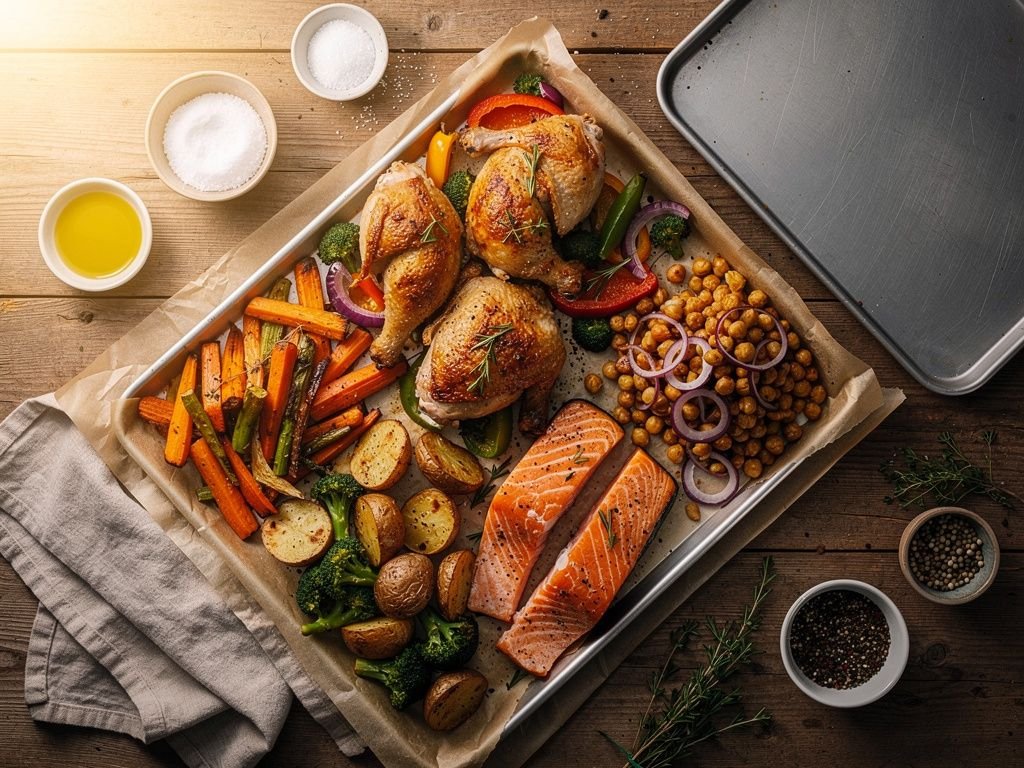
The Sheet Pan Method: One Pan, Five Dinners, Minimal Cleanup
Sheet pan cooking is not just a trend recipe format. It is a genuinely efficient system for weeknight meal prep once you understand the logic behind it.
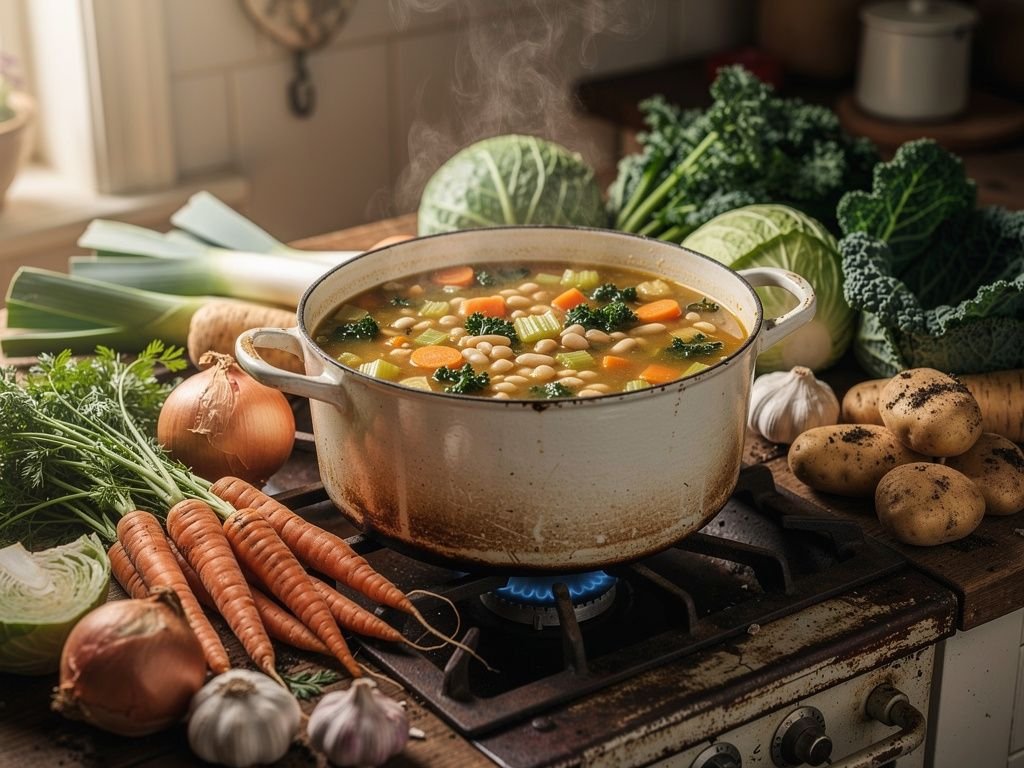
The Winter Cook's Guide to Building a Better Soup
A great soup is built in layers, not thrown together at once. Here is how to think through the process for reliably good results.
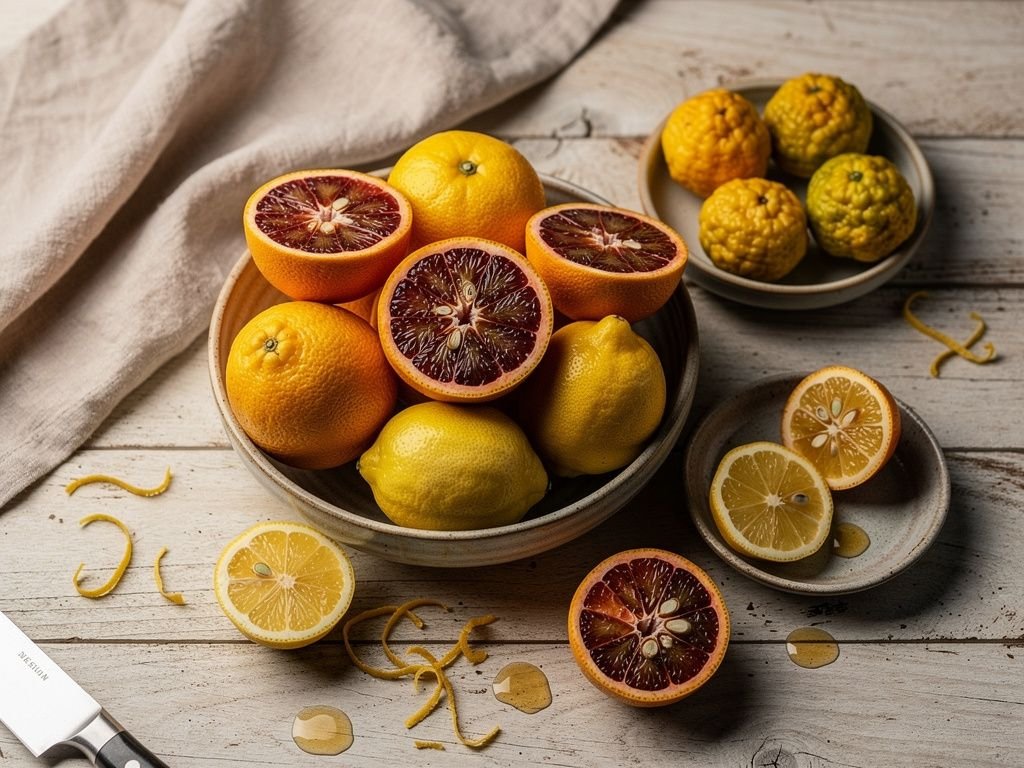
Beyond the Lemon: A Tour of Citrus Worth Cooking With
Lemons and limes get all the attention, but blood oranges, Meyer lemons, and yuzu each bring something unique to a dish.