The Sheet Pan Method: One Pan, Five Dinners, Minimal Cleanup
By Marco Belline · Apr 9, 2026
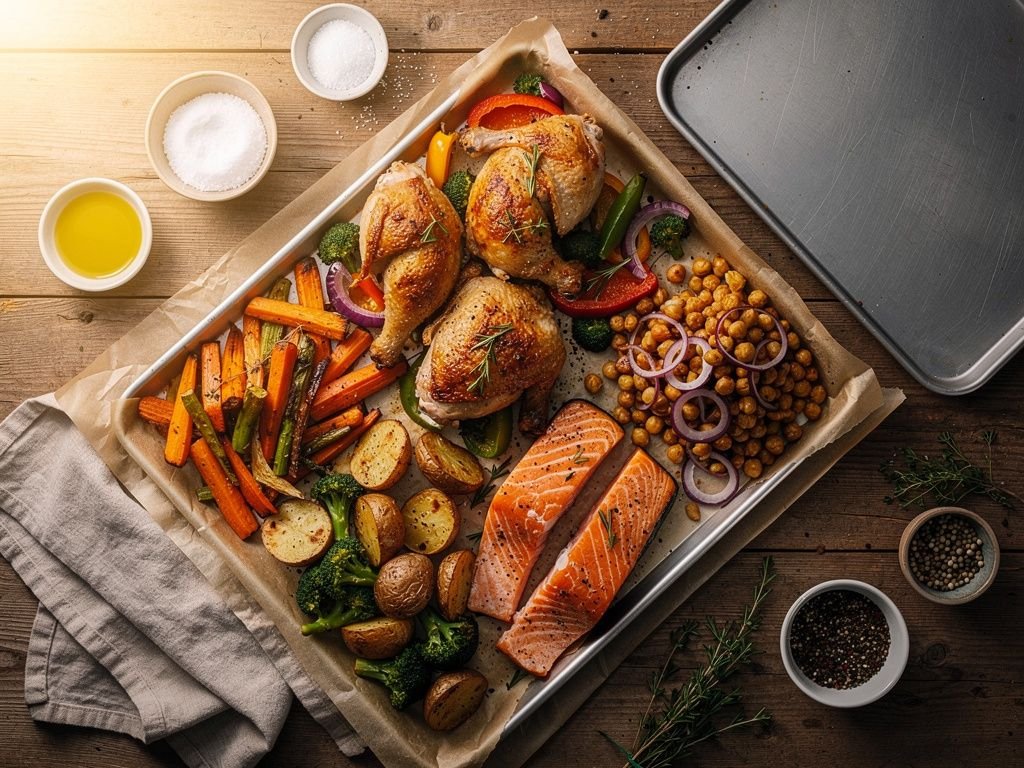
The sheet pan dinner has become something of a cliche in food media, but underneath the trend is a genuinely useful cooking principle that is worth understanding rather than just following recipe titles. At its core, sheet pan cooking is about using dry, even, high heat across a large flat surface to cook multiple components at once with minimal hands-on effort and minimal dishes, which makes it one of the most efficient formats for weeknight meal prep once you know how to plan around it.
Why It Works
A sheet pan in a hot oven, typically 400 to 425 degrees Fahrenheit, exposes food to dry, radiant heat from above and conductive heat from the metal pan below. Spread in a single layer rather than piled up, food roasts rather than steams, which means vegetables and proteins develop browning and caramelization on their exposed surfaces, the same flavor-building chemistry behind any good sear. The single biggest mistake people make with sheet pan cooking is overcrowding the pan; food piled two or three layers deep traps steam underneath, and you end up with pale, soft vegetables instead of the browned, slightly crisp result the technique is known for. If your ingredients do not comfortably fit in one layer with a little space between pieces, use two pans rather than one crowded one.
Grouping by Cook Time
The real skill in sheet pan cooking is not the roasting itself but matching ingredients that finish cooking at roughly the same time, or staggering when they go into the oven. Dense root vegetables like potatoes and carrots need twenty-five to thirty-five minutes at high heat, while something like cherry tomatoes or thin asparagus spears might be done in ten to fifteen. Chicken thighs need roughly the same time as those root vegetables, which is why the classic sheet pan chicken and vegetable dinner works so well, but a delicate fish fillet would be ruined by that same cook time and needs to go in much later, or on its own pan entirely.
A reliable approach for meal prep is to cut denser vegetables smaller so their cook time shortens to match faster-cooking ingredients, or to par-cook the densest item for five or ten minutes alone before adding everything else to the pan. Either method avoids the common outcome of undercooked potatoes sitting next to shriveled, overcooked broccoli.
Turning One Pan Into a Week of Meals
Where sheet pan cooking becomes a genuine meal prep strategy is in cooking components rather than a single finished dish. Roasting a large tray of mixed vegetables, a second tray of a protein like chicken thighs or firm tofu, and a tray of something starchy like cubed sweet potato over the course of a Sunday afternoon gives you enough separately stored components for most of a week's lunches and dinners. Because everything was roasted rather than sauced, these components stay flexible: the same roasted chicken and vegetables can become a grain bowl one night, get folded into a quesadilla the next, or get tossed into a quick soup with some added broth later in the week.
Cleanup, the Underrated Benefit
Lining a sheet pan with parchment paper or foil is a small habit that makes an outsized difference in how sustainable this method feels on a regular weeknight. Without lining, caramelized sugars and fat can bake onto the pan itself, turning a five-minute cleanup into a soak-and-scrub ordeal that discourages you from cooking this way again. With lining, cleanup is often as simple as folding up the paper and wiping the pan, which matters more than it might sound, because the biggest obstacle to consistent meal prep is rarely the cooking itself but the dread of the mess that follows. A cooking method that minimizes that dread is one you will actually return to week after week, which is really the whole point of building a sustainable meal prep habit in the first place.
Keep Reading
More from the Blog
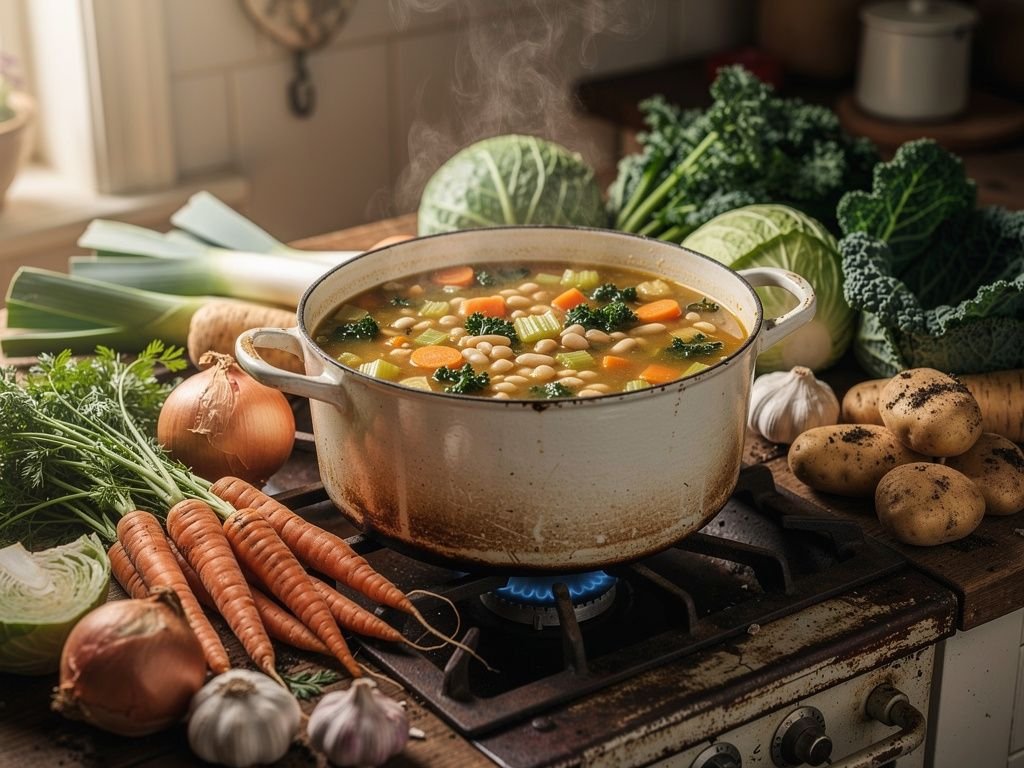
The Winter Cook's Guide to Building a Better Soup
A great soup is built in layers, not thrown together at once. Here is how to think through the process for reliably good results.
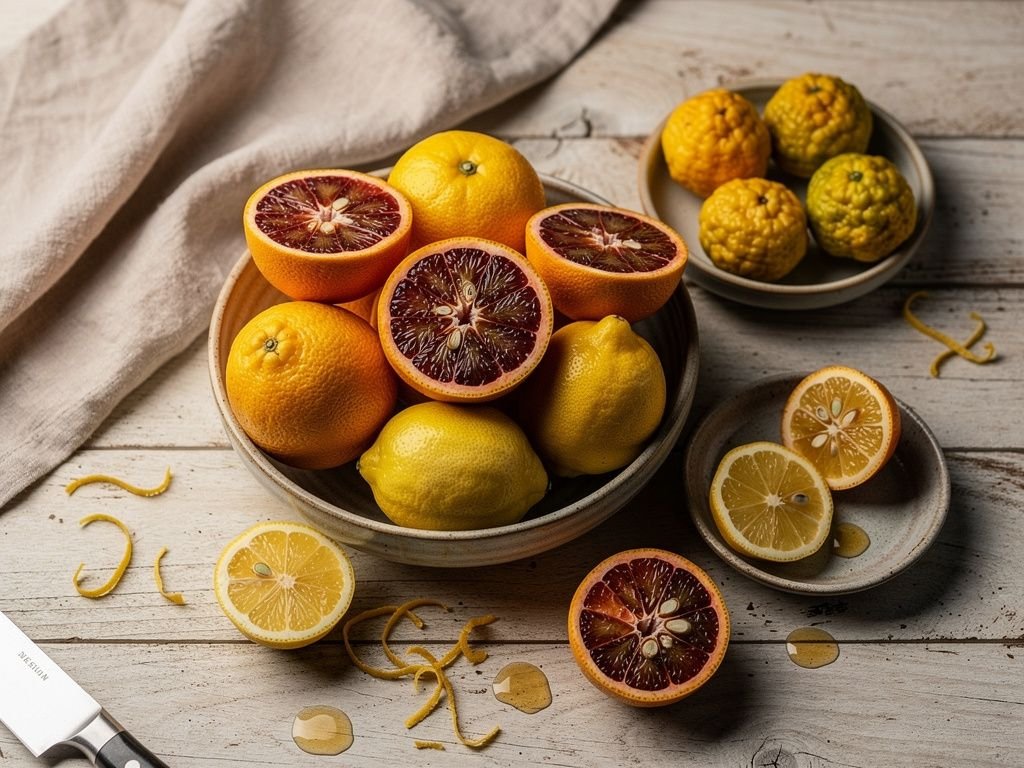
Beyond the Lemon: A Tour of Citrus Worth Cooking With
Lemons and limes get all the attention, but blood oranges, Meyer lemons, and yuzu each bring something unique to a dish.
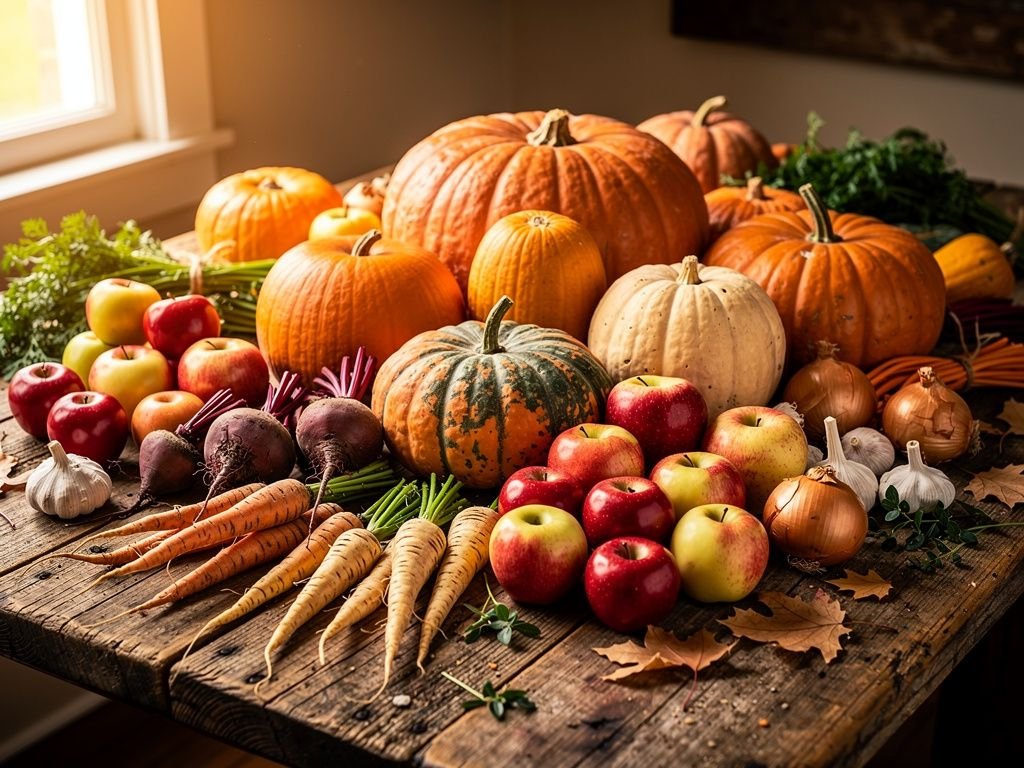
Your Guide to Autumn's Best Produce, and What to Do With It
Squash, apples, and root vegetables take over the market in autumn. Here is how to pick the best of the season and put it to work.