A Realistic System for Weekly Meal Planning
By Sofia Renn · May 19, 2025
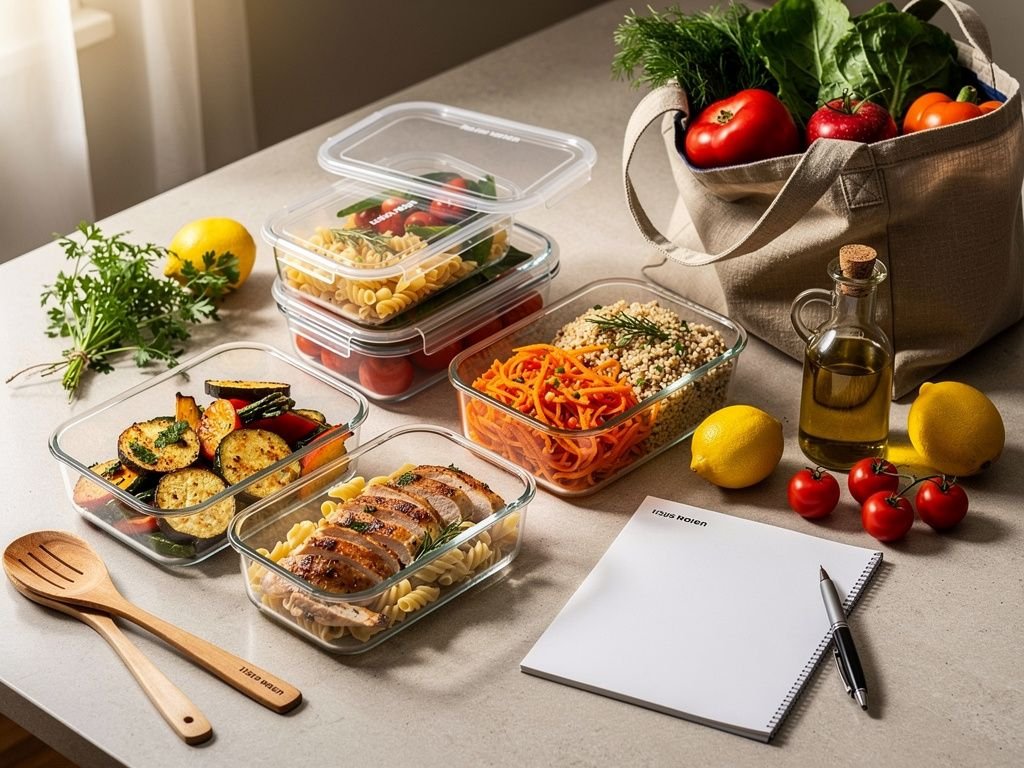
Most meal planning advice assumes a level of free time and predictability that few households actually have. Plans built around a strict Monday-through-Sunday menu tend to collapse the moment a meeting runs late or a kid gets invited to a friend's for dinner. A more durable approach treats planning as building a flexible system rather than writing a fixed schedule, and it starts with thinking in components rather than complete recipes.
Plan Components, Not Just Meals
Instead of deciding that Tuesday is chicken fajitas and Wednesday is beef stir-fry, it helps to plan around a set of proteins, a set of vegetables, and a set of starches for the week, then let yourself combine them differently depending on how much time and energy you have on a given night. Roast two proteins over the weekend, say a whole chicken and a batch of seasoned ground beef, along with a couple of vegetables and a grain like rice or farro. From there, a fifteen-minute weeknight dinner is really just an assembly exercise: chicken and roasted vegetables become a grain bowl one night, the same chicken shreds into tacos the next, and the ground beef turns into a quick pasta sauce or a stuffed pepper filling later in the week.
This component approach solves the biggest failure point of rigid meal plans, which is that they assume you will want exactly what you planned exactly when you planned it. Life rarely cooperates with that assumption. When the building blocks are already prepped, you can respond to how tired or hungry you actually are that evening rather than forcing yourself through a recipe that felt appealing on Sunday but sounds exhausting on Wednesday.
Shop From the Freezer and Pantry First
Before writing a grocery list, take an honest inventory of what is already in your freezer, pantry, and refrigerator. It is remarkably easy to accumulate half-used bags of vegetables, forgotten cans, and single portions of protein that never get used up because they never quite fit into a specific week's plan. Building at least one or two meals around using up what you already have not only saves money but also keeps your freezer from becoming a graveyard of good intentions.
Batch the Boring Parts
The tasks that make cooking feel like a chore are rarely the actual cooking; they are the repetitive prep work. Washing and chopping vegetables, cooking a pot of grains, or making a batch of vinaigrette are all things that take the same amount of effort whether you do them for one meal or five. Setting aside even thirty minutes on a Sunday to wash and chop a week's worth of vegetables, or to hard-boil a dozen eggs for snacks and salads, removes a surprising amount of friction from weeknight cooking, because the mental barrier to cooking is often the setup, not the actual stovetop time.
Build in a No-Cook Night
A realistic system accepts that some nights will not go as planned, and it plans for that rather than treating it as a failure. Keeping a rotating stock of good no-cook or nearly-no-cook options, a decent frozen pizza, a can of beans and a bag of tortilla chips, or the ingredients for a big salad with canned tuna, means that an unexpectedly hard day does not derail the whole week or send you straight to expensive takeout. Think of this as a pressure release valve built into the plan itself.
The goal of meal planning is not perfect adherence to a schedule; it is reducing the number of decisions you have to make when you are tired, hungry, and low on willpower. A flexible, component-based system does that far better than a rigid weekly menu, because it bends without breaking when your week inevitably does not go exactly as expected.
Keep Reading
More from the Blog
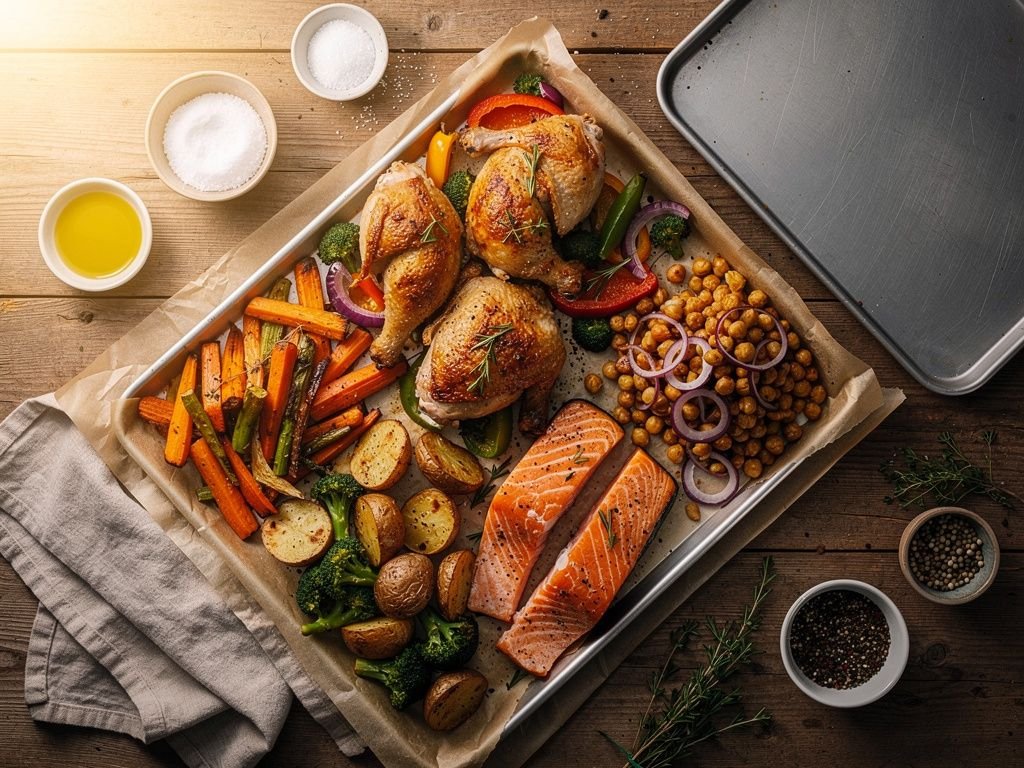
The Sheet Pan Method: One Pan, Five Dinners, Minimal Cleanup
Sheet pan cooking is not just a trend recipe format. It is a genuinely efficient system for weeknight meal prep once you understand the logic behind it.
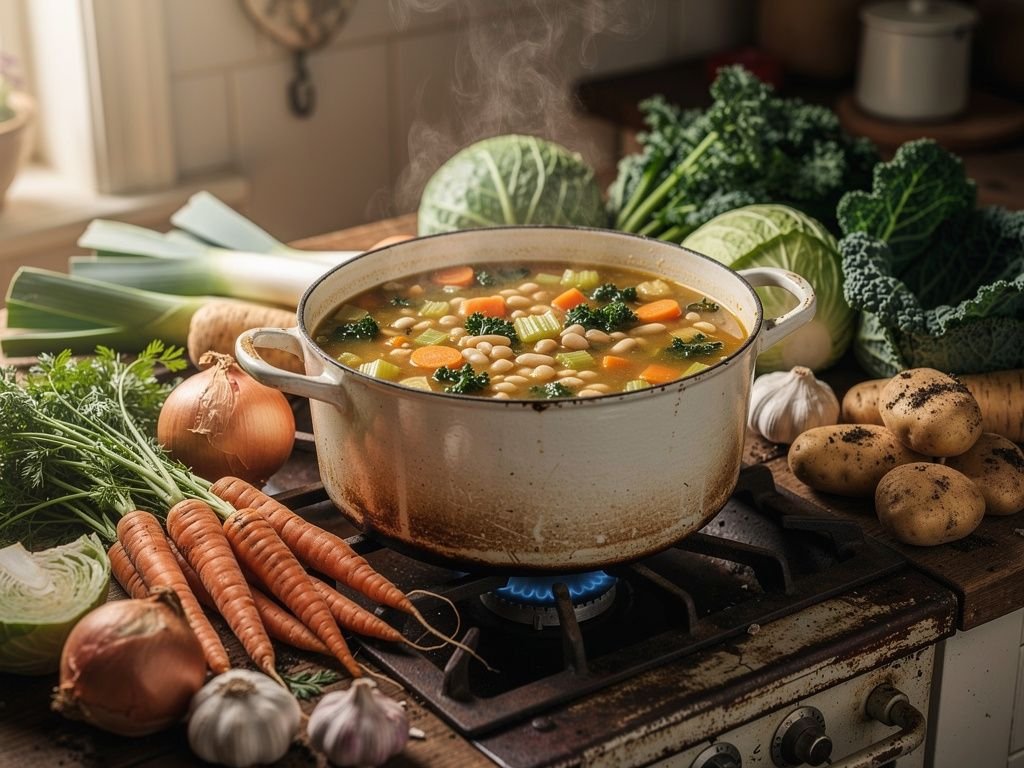
The Winter Cook's Guide to Building a Better Soup
A great soup is built in layers, not thrown together at once. Here is how to think through the process for reliably good results.
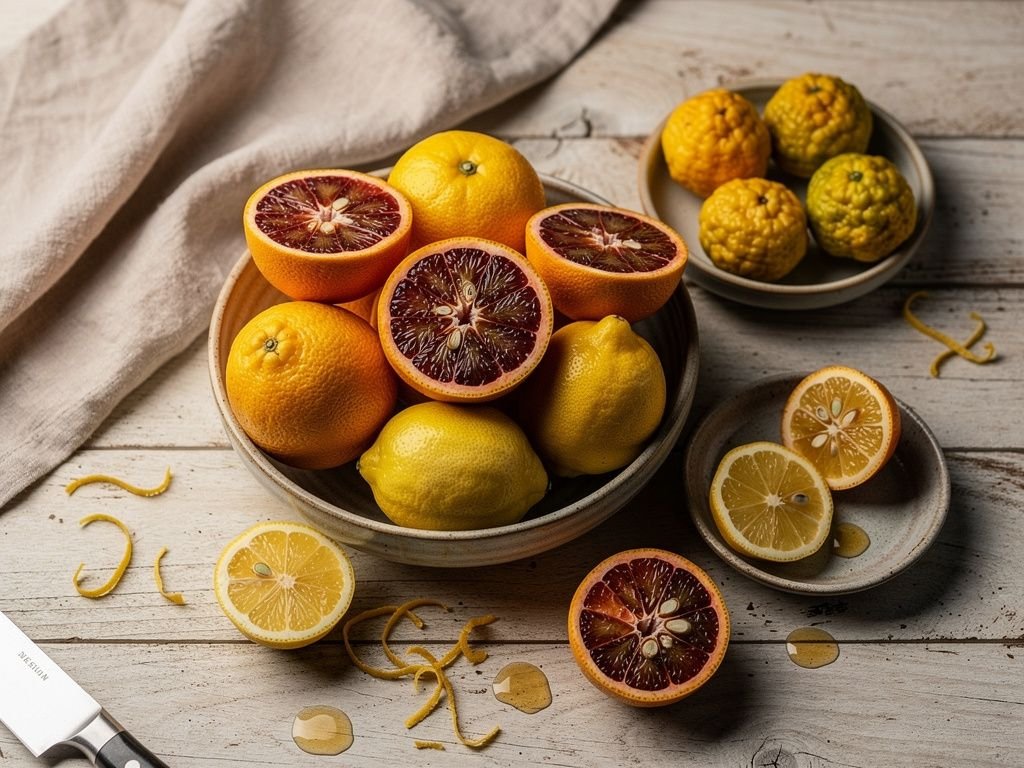
Beyond the Lemon: A Tour of Citrus Worth Cooking With
Lemons and limes get all the attention, but blood oranges, Meyer lemons, and yuzu each bring something unique to a dish.