Why Browned Food Tastes Better: The Maillard Reaction Explained
By Diego Alvarez · Jun 8, 2025
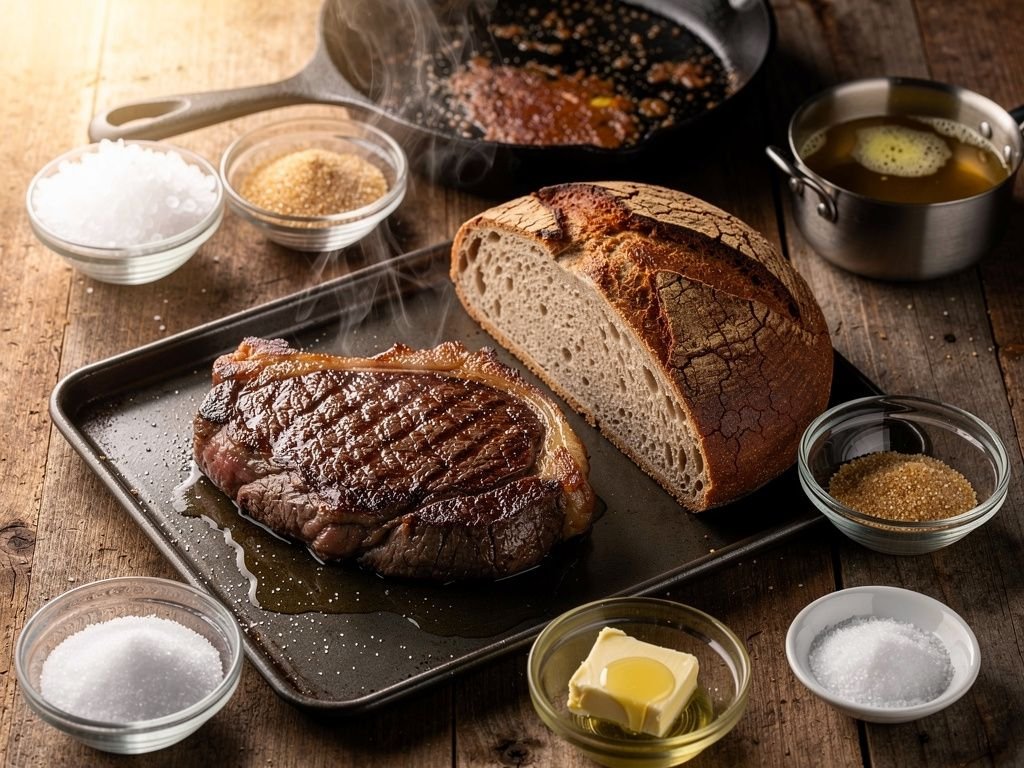
Anyone who has seared a steak, toasted bread, or roasted coffee beans has witnessed the Maillard reaction, even if they have never heard the term. Named after the French chemist Louis-Camille Maillard, who first described it in 1912, this reaction is responsible for the deep brown color and complex, savory flavors that develop on the surface of cooked food. It is often confused with caramelization, but the two are chemically distinct processes that happen to overlap in many everyday cooking situations.
What Is Actually Happening
Caramelization is the breakdown of sugars alone under heat. The Maillard reaction, by contrast, is a reaction between amino acids, the building blocks of proteins, and reducing sugars, triggered by heat. This reaction produces hundreds of new flavor and aroma compounds that were not present in the raw ingredients, which is why a seared piece of meat tastes so much more complex than the same meat boiled or steamed. Boiling and steaming keep food at or below the boiling point of water, 212 degrees Fahrenheit at sea level, and the Maillard reaction generally does not proceed at a meaningful rate below about 280 to 330 degrees Fahrenheit. This is the entire reason a boiled chicken breast tastes bland compared to a roasted one: it simply never gets hot enough on its surface for this chemistry to happen.
Why Moisture Is the Enemy of Browning
Water on the surface of food is one of the biggest obstacles to a good sear or crust, and understanding why explains a lot of common cooking advice. As long as there is liquid water present on a food's surface, that surface temperature is capped near the boiling point, because the energy from the heat source goes into evaporating the water rather than raising the temperature further. This is why recipes so often instruct you to pat meat dry before searing it, and why a crowded pan produces steamed, gray food instead of a browned crust: too much food releases too much moisture at once, and the pan's temperature drops while that moisture has to evaporate before real browning can even begin.
This also explains why a hot, dry pan and a bit of patience matter so much more than most home cooks assume. Flipping meat too early, before a crust has actually formed, often means the surface is not yet dry and hot enough for the reaction to have taken hold; the food will simply stick to the pan rather than release cleanly, which is itself a signal that it is not ready to be turned.
Using the Chemistry to Your Advantage
Because the Maillard reaction depends on both amino acids and sugars being present, a few small additions can noticeably deepen browning. A light dusting of sugar on onions before caramelizing them, or a touch of honey brushed on roasting vegetables, gives the reaction more raw material to work with. Baking soda, which raises the pH of a food's surface, is another trick professional cooks use; a slightly alkaline environment speeds the Maillard reaction considerably, which is why some stir-fry recipes call for tossing meat in a small amount of baking soda solution before cooking, or why pretzels are dipped in a lye or baking soda bath before baking to get their distinctive dark, glossy crust.
Understanding this single piece of food chemistry changes how you approach a surprising number of dishes. It explains why searing meat before braising it adds flavor even though the meat will spend hours submerged in liquid afterward, why toasting spices in a dry pan before grinding them intensifies their aroma, and why a well-browned roux is the foundation of so many classic sauces. Browning is not just a visual cue that food is done; it is the sign that an entirely new layer of flavor has been created that simply did not exist in the raw ingredients.
Keep Reading
More from the Blog
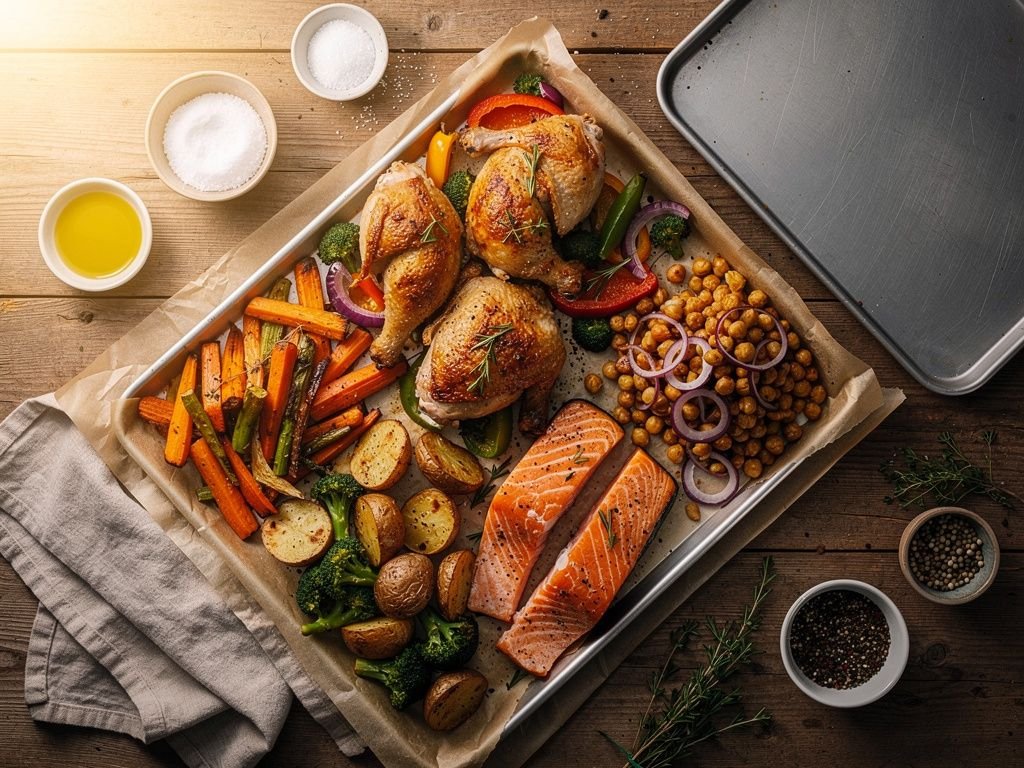
The Sheet Pan Method: One Pan, Five Dinners, Minimal Cleanup
Sheet pan cooking is not just a trend recipe format. It is a genuinely efficient system for weeknight meal prep once you understand the logic behind it.
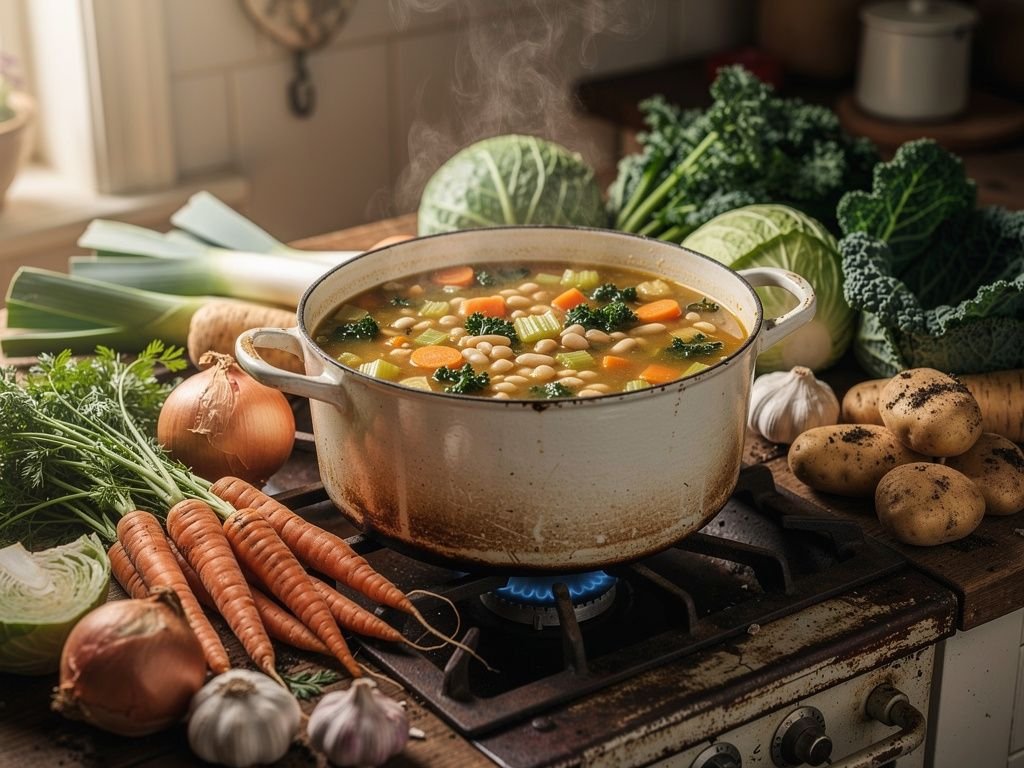
The Winter Cook's Guide to Building a Better Soup
A great soup is built in layers, not thrown together at once. Here is how to think through the process for reliably good results.
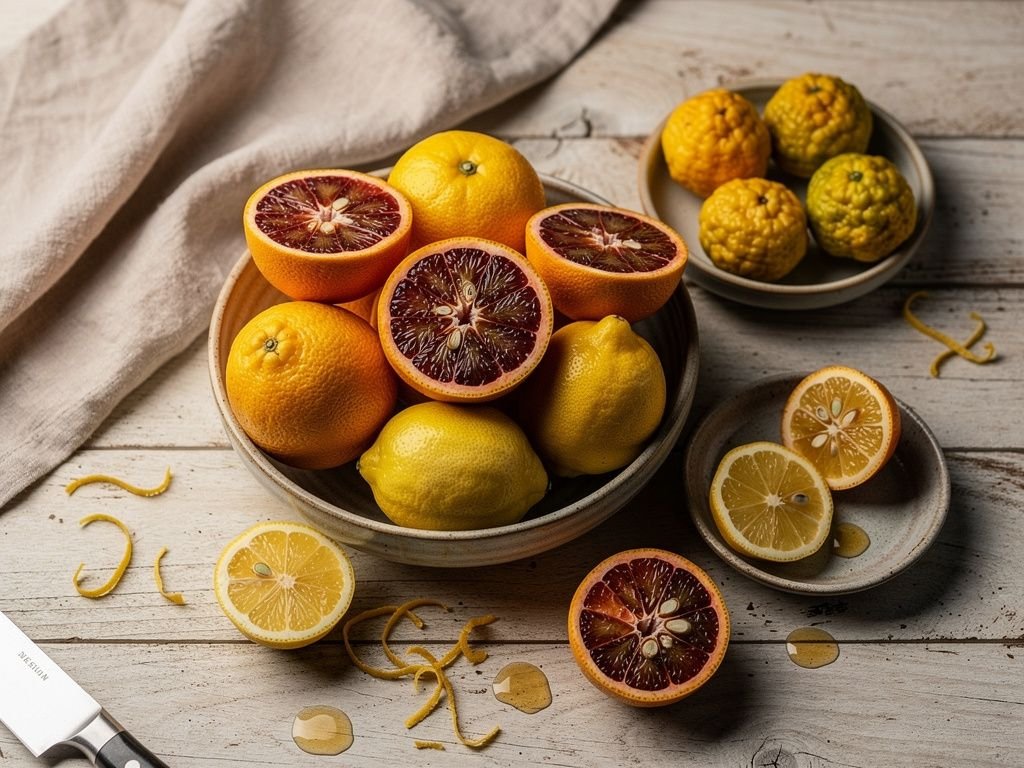
Beyond the Lemon: A Tour of Citrus Worth Cooking With
Lemons and limes get all the attention, but blood oranges, Meyer lemons, and yuzu each bring something unique to a dish.