Five Knife Cuts That Will Change the Way You Cook
By Marco Belline · Jan 14, 2025
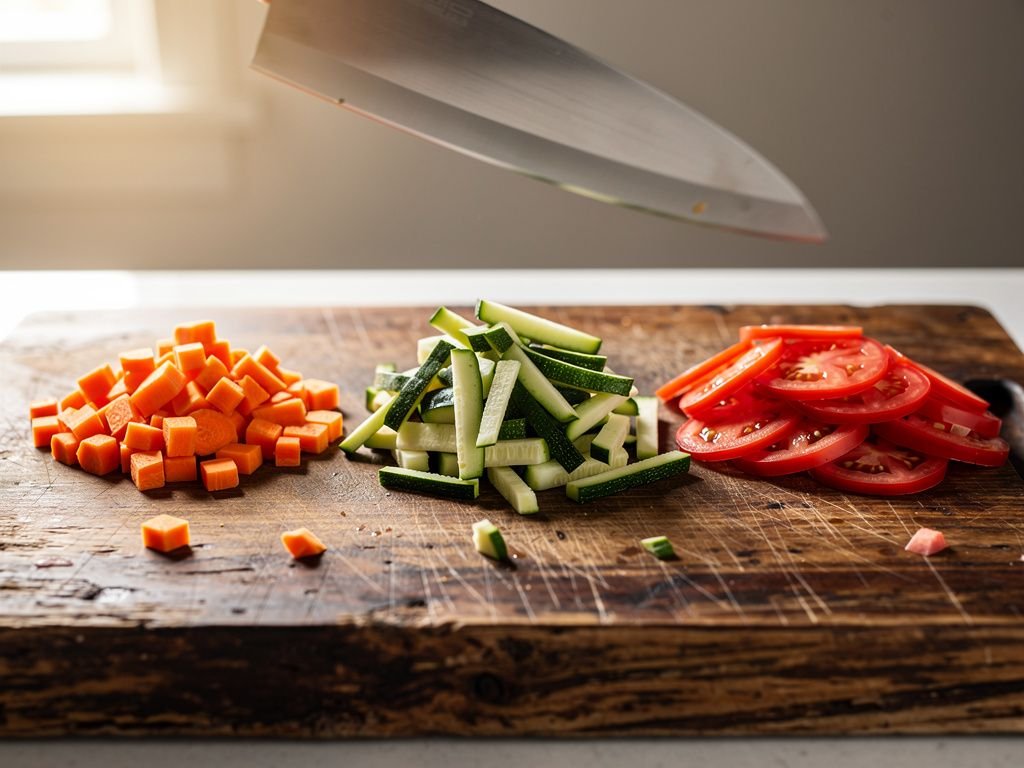
Ask any professional cook what single tool changed their kitchen life the most and most will not say a sous vide machine or a stand mixer. They will say a sharp knife, paired with the muscle memory of a few essential cuts. Learning these cuts is not about showing off for dinner guests. It is about consistency, which is the real secret behind restaurant-quality food. When pieces of vegetable or protein are cut to the same size, they cook at the same rate, which means nothing is raw in the middle while something else turns to mush.
The first cut worth mastering is the julienne, thin matchstick strips usually about 1/8 inch thick. It is the backbone of slaws, stir-fries, and garnishes. Start by squaring off a vegetable like a carrot or bell pepper so it has flat sides to rest on, then slice it into thin planks before stacking the planks and cutting them into strips. The flat sides are the trick here; they keep the vegetable from rolling under your knife, which is where most kitchen nicks happen.
Dice, Mince, and the Rock Chop
Once you can julienne, dicing is simply cutting those matchsticks crosswise into small cubes. Restaurants classify dice by size, small, medium, and large, but at home the goal is just consistency within a single dish. A mince takes this even further, chopping an ingredient like garlic or herbs into tiny, nearly paste-like pieces. For mincing, the rock chop is the technique to learn: keep the tip of the knife on the cutting board and rock the blade up and down in an arc, moving the handle side to side while the point stays anchored. This lets you chop quickly without lifting the whole blade off the board, which saves both time and wrist fatigue.
The chiffonade is the cut most people find satisfying once they get it right. It is used for leafy herbs and greens like basil or mint. Stack several leaves, roll them tightly like a cigar, and slice thin ribbons crosswise. Those ribbons unfurl into delicate strands that dress a plate far better than torn or roughly chopped leaves, and they bruise less because the cut is clean rather than crushed.
The Bias Cut and the Batonnet
A bias cut, slicing at an angle rather than straight down, increases the surface area of whatever you are cutting. This matters more than people realize: more surface area means more caramelization in a hot pan and faster, more even cooking, which is why so many stir-fry recipes call for cutting vegetables like celery or scallions on the bias. The batonnet is essentially a thicker cousin of the julienne, about 1/4 inch square, and is the shape you want for classic French fries or crudite sticks meant to be dipped rather than cooked down.
None of these cuts require an expensive knife, but they do require a sharp one. A dull knife is more dangerous than a sharp one because it slips and requires more force, which is when accidents happen. Get in the habit of honing your knife with a steel before each use and having it professionally sharpened every few months, or learn to do it yourself with a whetstone. Equally important is your cutting board. A stable board that will not slide is non-negotiable; a damp kitchen towel underneath a wooden or plastic board keeps it anchored while you work.
Practice these cuts on cheap vegetables before you attempt them on something expensive for a dinner party. Onions, carrots, and celery are forgiving and inexpensive, so a Tuesday night stir-fry is the perfect low-stakes place to build the muscle memory. Within a few weeks of deliberate practice, you will notice your prep time cut in half and your finished dishes looking noticeably more professional, simply because everything on the plate is uniform. That, more than any single ingredient or gadget, is what separates confident home cooking from anxious home cooking.
Keep Reading
More from the Blog
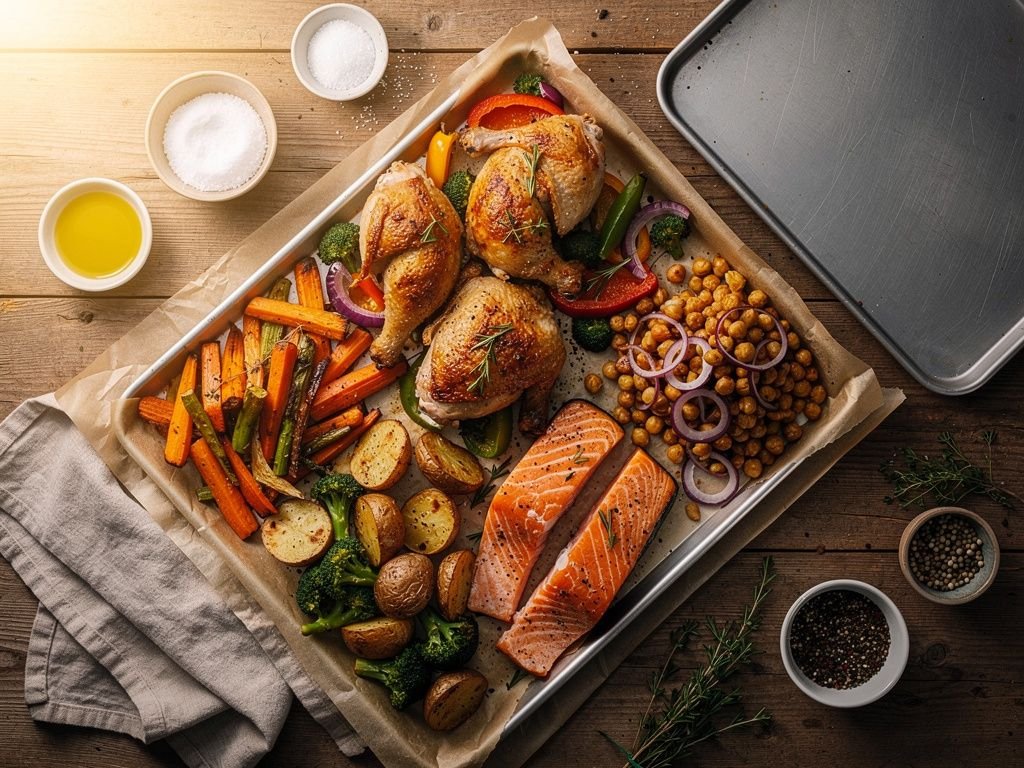
The Sheet Pan Method: One Pan, Five Dinners, Minimal Cleanup
Sheet pan cooking is not just a trend recipe format. It is a genuinely efficient system for weeknight meal prep once you understand the logic behind it.
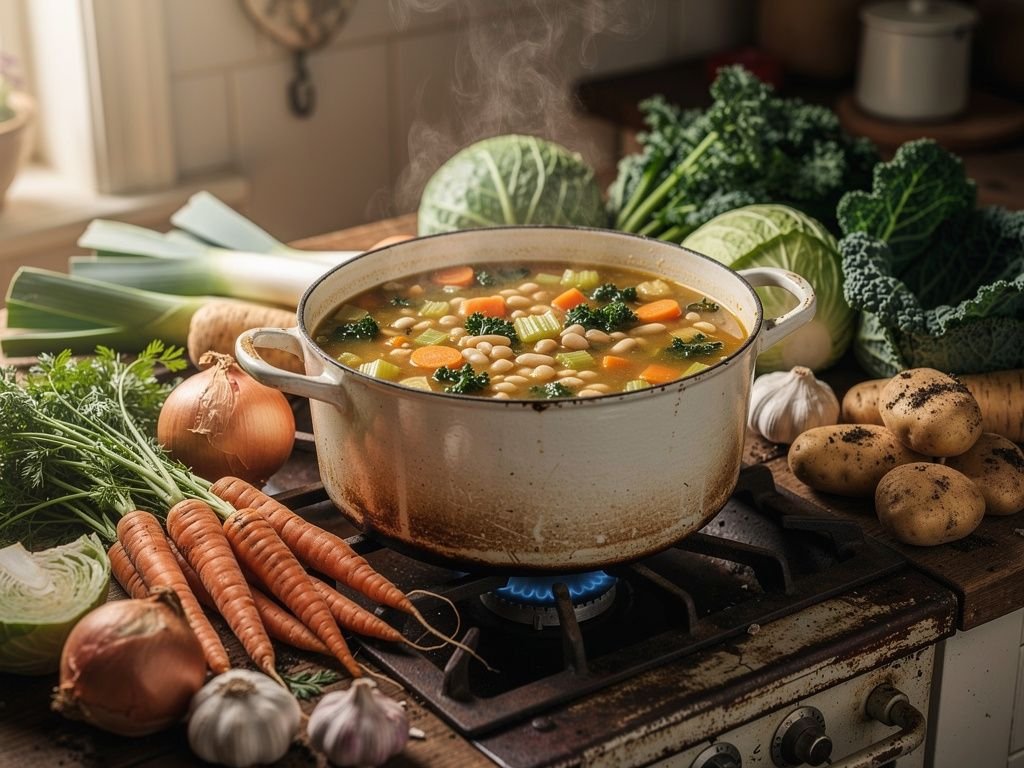
The Winter Cook's Guide to Building a Better Soup
A great soup is built in layers, not thrown together at once. Here is how to think through the process for reliably good results.
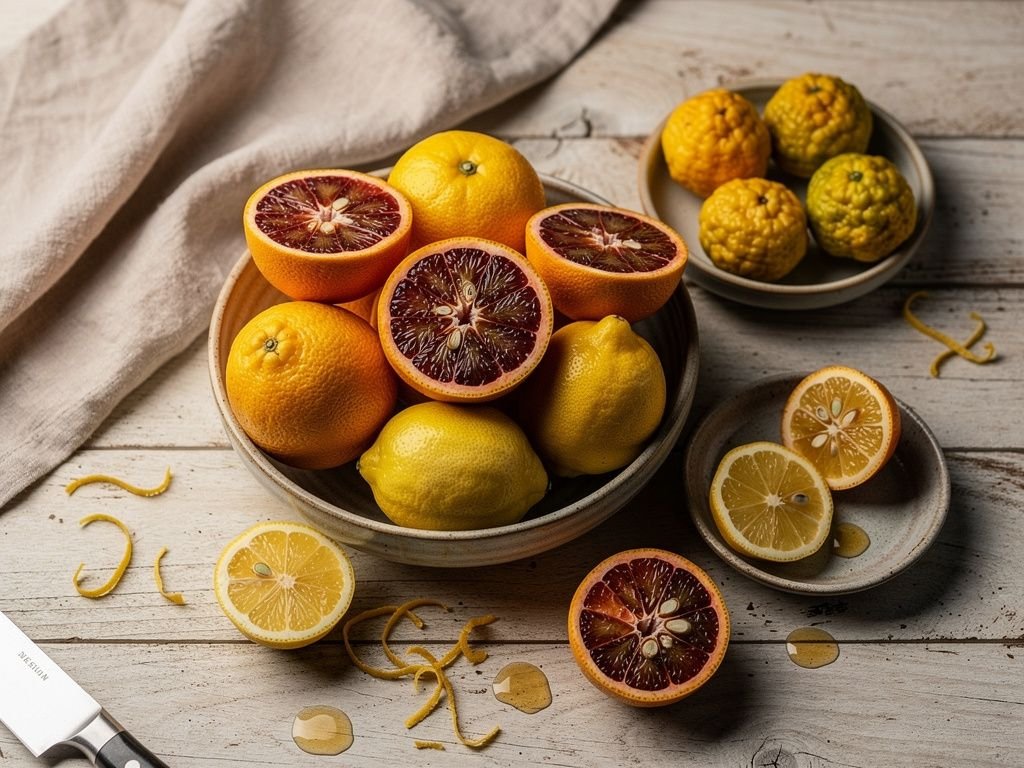
Beyond the Lemon: A Tour of Citrus Worth Cooking With
Lemons and limes get all the attention, but blood oranges, Meyer lemons, and yuzu each bring something unique to a dish.