Fermentation at Home: A Beginner's Guide to Safe, Tangy Experimentation
By Marco Belline · Jul 21, 2025
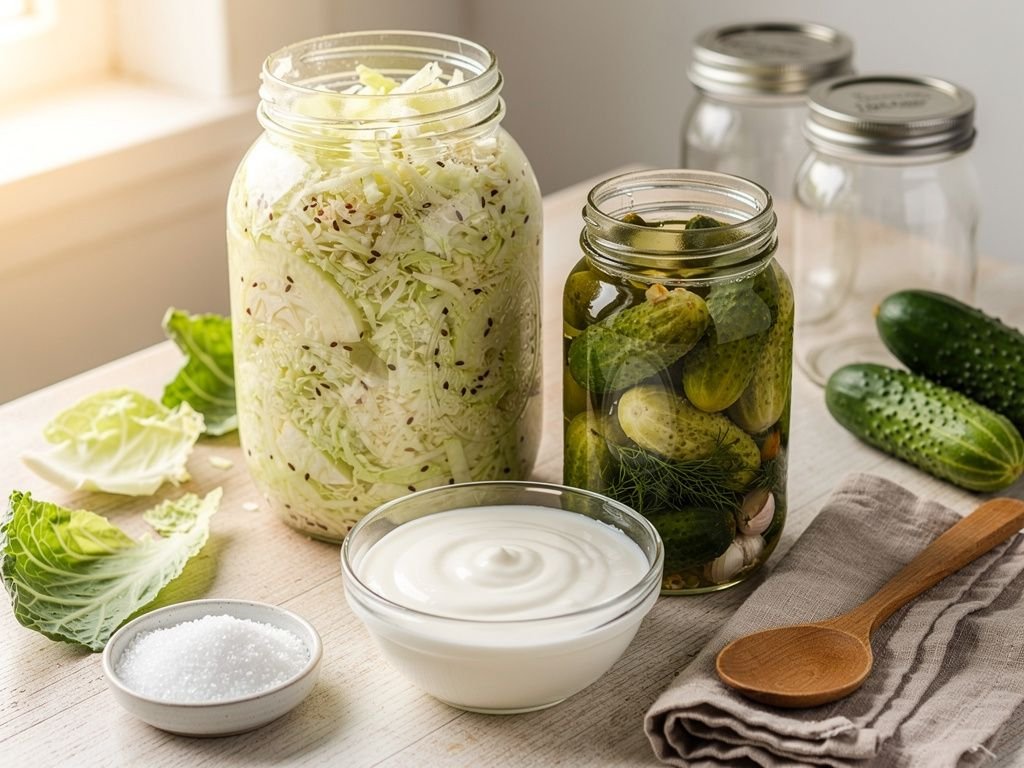
Fermentation has a reputation for being intimidating, tangled up with images of specialized crocks, precise pH meters, and warnings about botulism. In reality, several forms of fermentation are among the easiest and most forgiving techniques a home cook can learn, provided you understand the basic principle behind them and follow a few consistent safety rules.
The Basic Idea
Fermentation, in the context most home cooks care about, is the process of encouraging beneficial bacteria, usually lactic acid bacteria, to multiply in a food while outcompeting the bacteria that would otherwise cause spoilage. The most common home method is lacto-fermentation, used for sauerkraut, kimchi, and many pickles. Vegetables are submerged in a saltwater brine, or salted directly so they release their own liquid, and the salt concentration is high enough to suppress most harmful bacteria while lactic acid bacteria, which are more salt-tolerant, thrive. As those bacteria consume the natural sugars in the vegetables, they produce lactic acid, which is what gives fermented foods their characteristically tangy, sour flavor, and that acid further protects the food from spoilage.
This is fundamentally different from pickling with vinegar, where the sour flavor comes from an acid you add directly rather than one produced by bacterial activity. Vinegar pickles are essentially instant and shelf-stable almost immediately; fermented pickles develop their flavor and safety over days or weeks as the bacterial culture establishes itself.
Getting Started With Sauerkraut
Sauerkraut is the easiest entry point because it requires only cabbage and salt. Shred a head of cabbage, weigh it, and add salt at roughly two percent of the cabbage's weight. Massage and squeeze the salted cabbage by hand for several minutes until it releases enough liquid to fully submerge itself, then pack it tightly into a clean jar, pressing it down so the liquid rises above the solids. This submersion is the single most important safety principle in vegetable fermentation: as long as the vegetables stay under the liquid, away from oxygen, the environment favors the lactic acid bacteria you want and discourages the mold and yeast that need air to grow on an exposed surface.
A fermentation weight, or even a smaller jar filled with water and set on top of the cabbage, helps keep everything submerged. Cover the jar loosely, since fermentation produces carbon dioxide that needs somewhere to escape, and leave it at room temperature, checking daily. Within three days you should see bubbles and a pleasantly sour smell; anywhere from one to four weeks, tasted periodically, will get you from mild to quite tangy, depending on your preference. Once it tastes the way you like, move it to the refrigerator, where the cold slows fermentation dramatically and lets you enjoy it for months.
Signs of a Healthy vs. a Failed Ferment
A healthy ferment smells sour and pleasant, similar to a good pickle, and any surface film is typically a harmless white yeast called kahm yeast, which can simply be skimmed off. What you are actually watching for as a sign of trouble is fuzzy mold, usually black, pink, or green, which indicates that oxygen reached the vegetables, almost always because they were not fully submerged. When in doubt, the standard food safety guidance is straightforward: if it smells or looks off in a way that resembles ordinary spoiled food, rather than the expected tang of fermentation, discard it rather than taste it.
Once sauerkraut feels comfortable, the same submerged-in-brine principle extends easily to whole cucumbers for fermented pickles, or to a mix of vegetables for a kimchi-style ferment with chili paste and garlic added for flavor. The technique barely changes; what changes is the ingredient list and the seasoning, which is exactly what makes fermentation such a rewarding skill to build on once you have the fundamentals down.
Keep Reading
More from the Blog
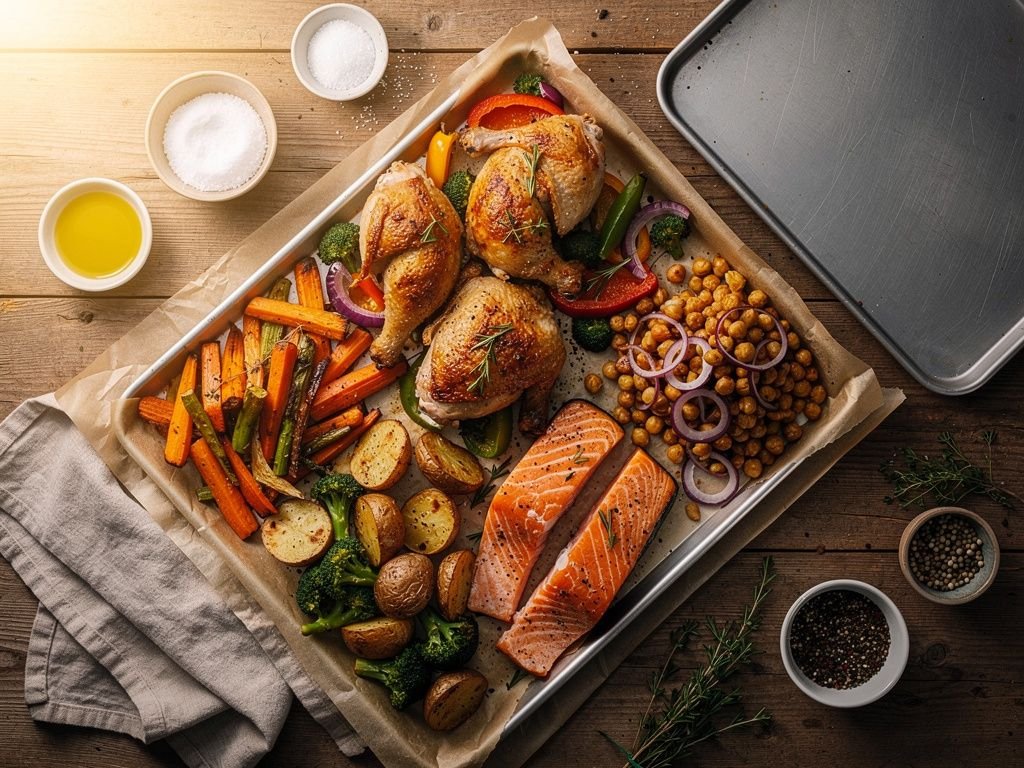
The Sheet Pan Method: One Pan, Five Dinners, Minimal Cleanup
Sheet pan cooking is not just a trend recipe format. It is a genuinely efficient system for weeknight meal prep once you understand the logic behind it.
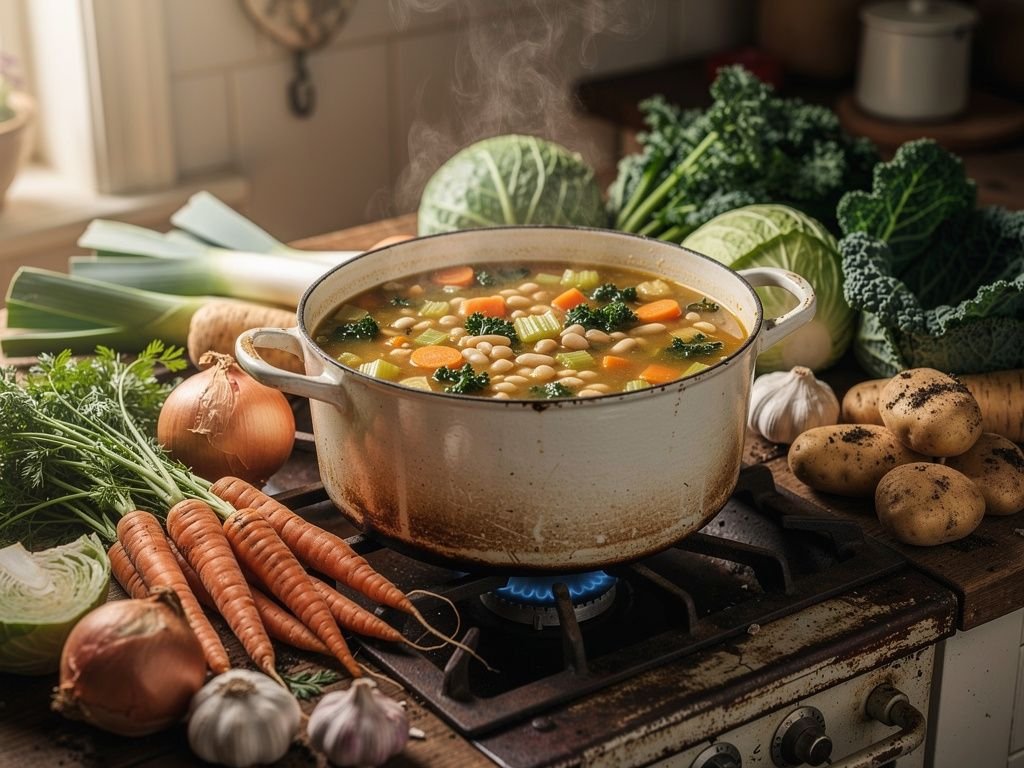
The Winter Cook's Guide to Building a Better Soup
A great soup is built in layers, not thrown together at once. Here is how to think through the process for reliably good results.
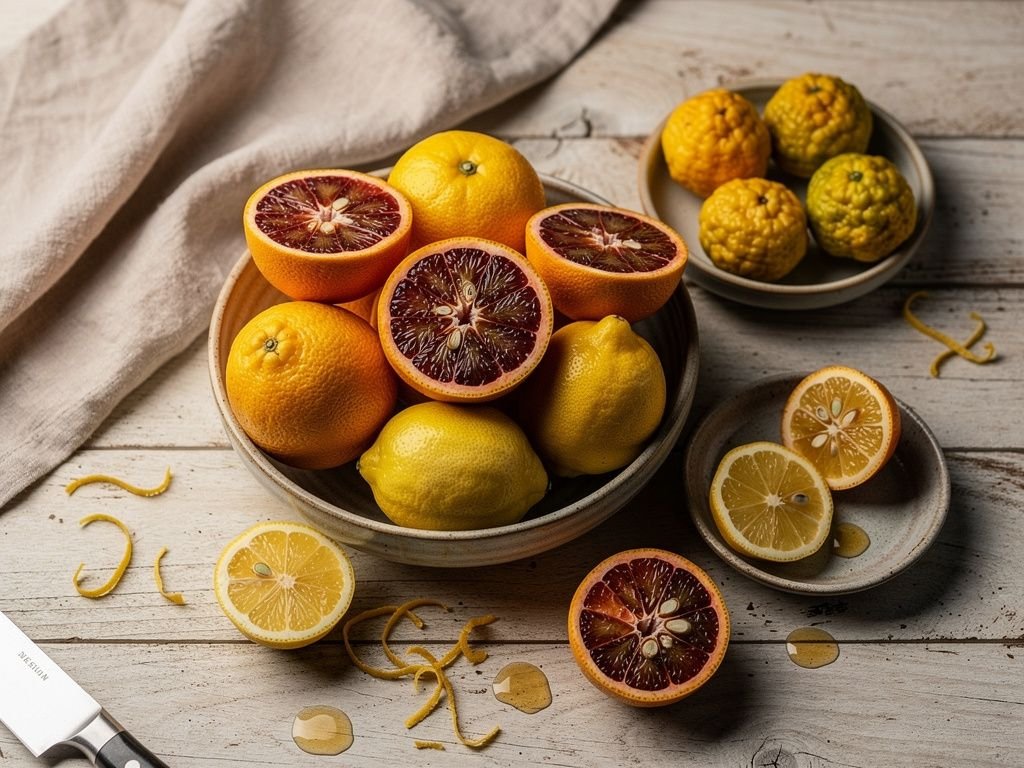
Beyond the Lemon: A Tour of Citrus Worth Cooking With
Lemons and limes get all the attention, but blood oranges, Meyer lemons, and yuzu each bring something unique to a dish.