The Cast Iron Skillet: Care, Seasoning, and Common Myths
By Marco Belline · Mar 11, 2025
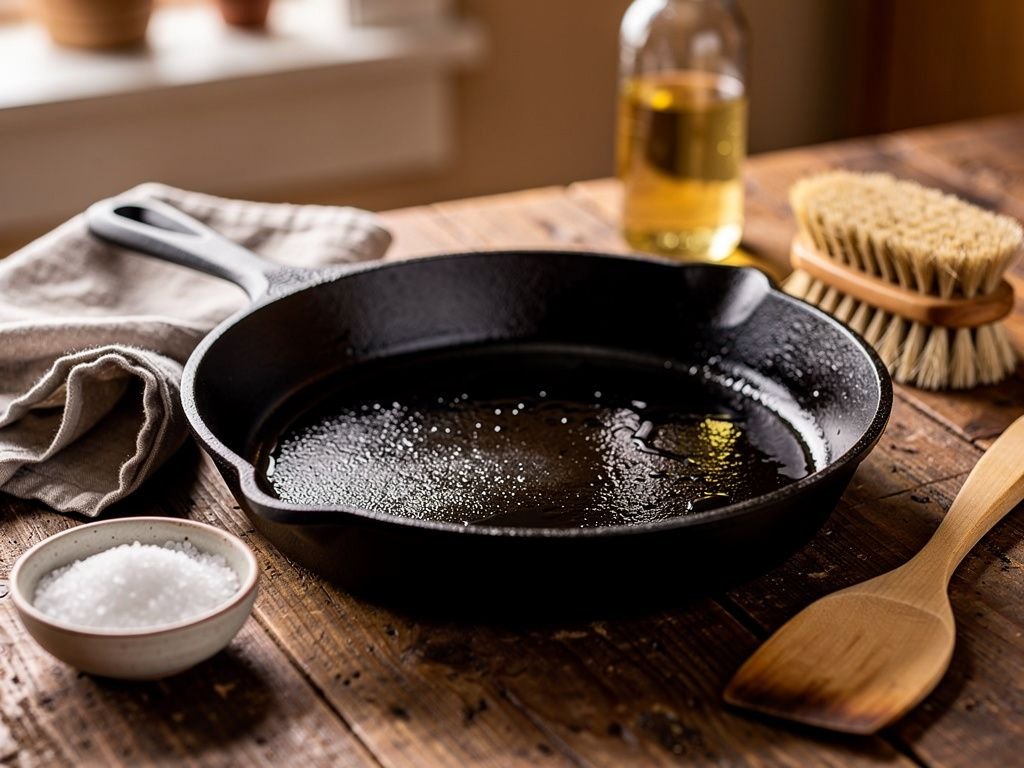
Cast iron skillets have a devoted following, and for good reason: they retain heat exceptionally well, can go from stovetop to oven, and with basic care will genuinely last for generations. But cast iron also comes with more myths and confusing folk wisdom than almost any other piece of kitchen equipment, which scares off cooks who might otherwise love using one.
What Seasoning Actually Is
Seasoning is not, as many people assume, simply a layer of oil sitting on the pan's surface. It is a thin coating of polymerized oil, meaning the oil has been heated past its smoke point until it chemically transforms into a hard, plastic-like layer bonded to the iron. This is what gives a well-seasoned pan its dark color and naturally nonstick surface. A brand new cast iron skillet, even a pre-seasoned one from the store, has only a thin base layer, and it builds up further with use, especially cooking fatty foods at medium to high heat.
Because seasoning is a chemical transformation rather than a coating that simply sits there, it can survive quite a bit of abuse. This is the first myth worth dispelling: the idea that soap will ruin your cast iron. Modern dish soap is not the harsh, high-lye soap of decades past, and a small amount used to clean off stuck-on food will not strip a properly seasoned pan. What actually damages seasoning is prolonged soaking in water, which can cause rust, or aggressive scrubbing with steel wool on a regular basis, which can wear down the polymerized layer faster than it rebuilds.
Everyday Care
The simplest routine is to clean the pan while it is still warm, using hot water and a stiff brush or nonmetal scrubber, then dry it thoroughly and immediately, since cast iron left wet is what leads to rust, not soap. After drying, a very light coat of oil rubbed in with a paper towel, then wiped mostly off again, helps maintain the seasoning and prevent moisture from settling in. Storing the pan in a dry place, ideally with a paper towel between it and any lid to absorb condensation, rounds out the basic care routine.
If rust does appear, it is not a death sentence. Scrub the rusted area with steel wool until you reach bare, gray metal, wash and dry the pan completely, and then re-season it: coat it in a very thin layer of a high smoke point oil like grapeseed or canola, wipe off as much as you can so it looks almost dry, and bake it upside down in a 450 to 500 degree Fahrenheit oven for about an hour, with foil below to catch drips. Repeating this two or three times builds up a durable, dark seasoning layer from scratch.
What to Cook, and What to Avoid
Cast iron excels at anything that benefits from high, even heat retention: searing steaks, cooking cornbread with a crisp crust, or frying eggs once the seasoning is well established. It is also genuinely excellent for oven-to-table dishes like a skillet-baked frittata or a deep-dish pizza. Where it struggles is with highly acidic foods cooked for a long time, like a tomato sauce simmered for hours; the acid can slowly break down seasoning and, in a newer or thinly seasoned pan, leach a metallic taste into the food. This is not a reason to avoid tomatoes entirely, just a reason to save long-simmered acidic sauces for a well-seasoned pan or a different pot altogether.
Treated with a bit of understanding rather than superstition, a cast iron skillet is one of the most forgiving and durable tools in a kitchen. It rewards regular use far more than careful, anxious avoidance, so the best thing you can do for a new skillet is simply cook with it often.
Keep Reading
More from the Blog
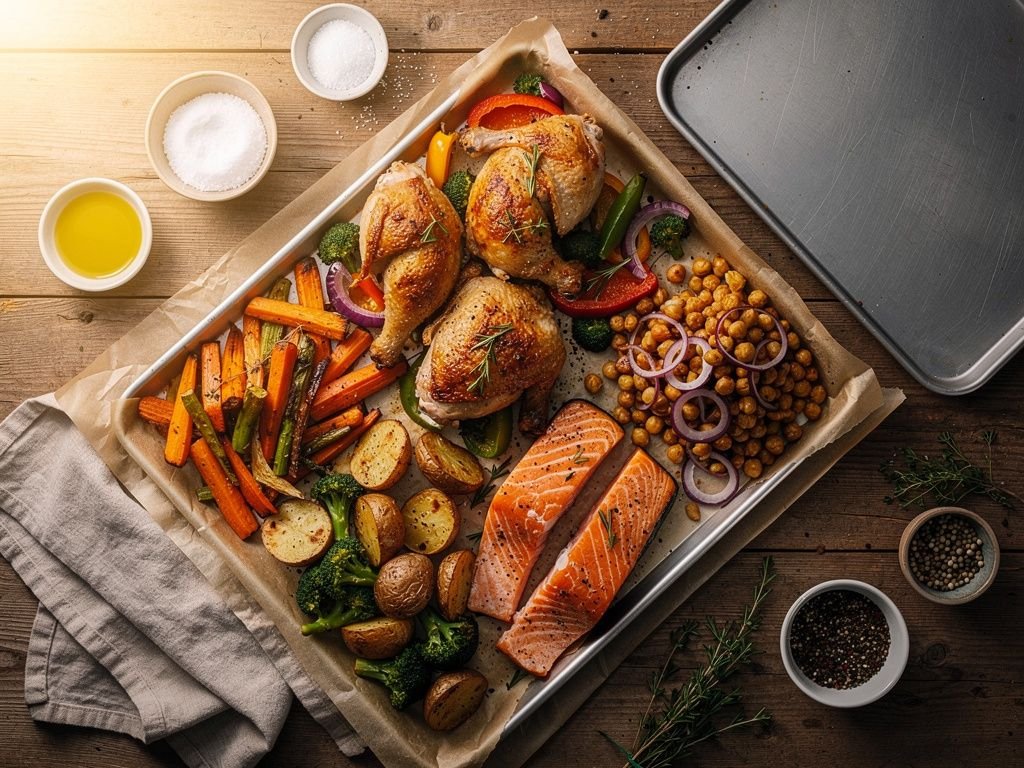
The Sheet Pan Method: One Pan, Five Dinners, Minimal Cleanup
Sheet pan cooking is not just a trend recipe format. It is a genuinely efficient system for weeknight meal prep once you understand the logic behind it.
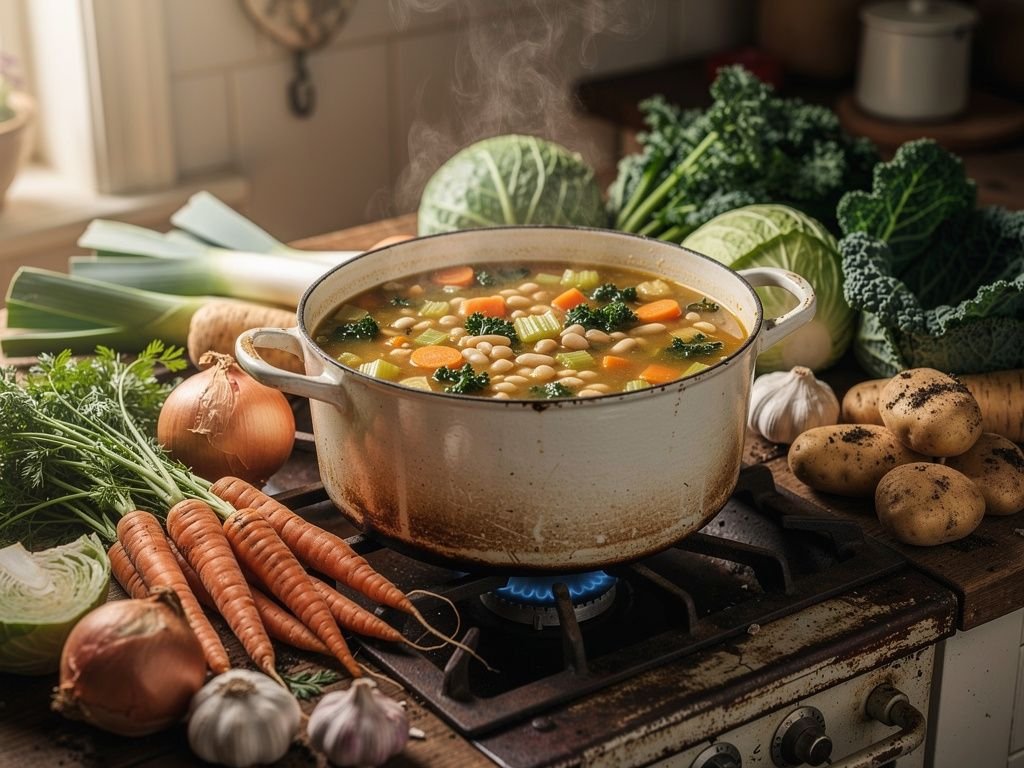
The Winter Cook's Guide to Building a Better Soup
A great soup is built in layers, not thrown together at once. Here is how to think through the process for reliably good results.
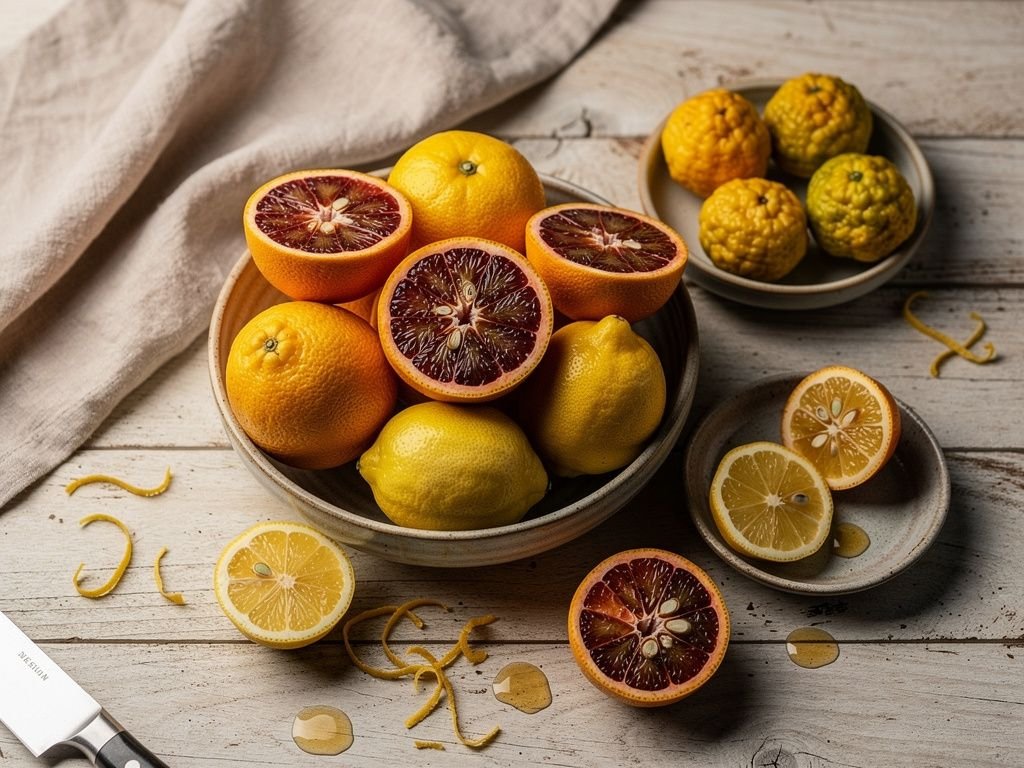
Beyond the Lemon: A Tour of Citrus Worth Cooking With
Lemons and limes get all the attention, but blood oranges, Meyer lemons, and yuzu each bring something unique to a dish.